In the rapidly advancing realm of web and app development, the ability to identify and assess potential risks is paramount to the success of any project. For seasoned developers and project managers alike, mastering risk management is not just beneficial but essential. It can significantly conserve time, optimize resource allocation, and ensure a smoother, more efficient development process.
By proactively anticipating potential pitfalls and crafting robust mitigation strategies, you can steer your projects towards successful completion with fewer disruptions. This strategic approach not only enhances the overall quality of your deliverables but also fortifies your team’s ability to adapt to unforeseen challenges, ultimately driving sustained success in a highly competitive digital landscape.
Understanding Risk Management in Web and App Development
Risk management in web and app development involves systematically identifying, assessing, and mitigating potential risks that could impact the project’s success. It is a proactive approach designed to foresee possible issues and address them before they become critical problems. Effective risk management ensures that projects are delivered on time, within budget, and meet the desired quality standards.
Importance of Identifying and Assessing Risks
Identifying and assessing risks early in the development process is vital for several reasons. Firstly, it allows teams to anticipate challenges and develop contingency plans, reducing the likelihood of unexpected setbacks. By recognizing potential risks, teams can allocate resources more effectively, ensuring that high-priority issues receive the attention they deserve. Additionally, understanding the risks involved helps in setting realistic timelines and budgets, enhancing overall project planning and execution.
For instance, consider a scenario where a development team is working on a new mobile app. By conducting a thorough risk assessment, they might identify potential compatibility issues with different operating systems. Knowing this in advance enables the team to plan for extensive testing and allocate resources for potential fixes, rather than being caught off guard later in the development cycle.
Overview of Common Risks in Development Projects
Web and app development projects are inherently complex, and several types of risks can arise. These risks can broadly be categorized into technical risks, project management risks, and user experience (UX) risks. Understanding these categories helps in creating a more structured approach to risk management.
Technical Risks: These involve issues related to the technology stack, such as compatibility problems, security vulnerabilities, and performance bottlenecks. For example, a web application might face challenges in ensuring it works seamlessly across different browsers and devices.
Project Management Risks: These are related to the planning and execution of the project, including scope creep, unrealistic deadlines, and resource allocation issues. For instance, changes in project requirements midway through development can lead to delays and increased costs.
User Experience (UX) Risks: These involve the end-user’s interaction with the product, such as poor interface design, usability issues, and accessibility challenges. A poorly designed app interface can lead to user frustration and low adoption rates.
Understanding these common risks is the first step in effective risk management. In the following sections, we will delve into the techniques and tools that can help you identify and assess these risks comprehensively.
Proven Techniques for Risk Identification
Effective risk identification is the cornerstone of successful risk management in web and app development projects. By employing a variety of techniques, teams can uncover potential issues early on, allowing for proactive mitigation strategies. Here, we explore some proven methods to identify risks comprehensively.
Brainstorming Sessions
Brainstorming is a collaborative and creative technique that brings team members together to generate a wide range of potential risks. This method leverages diverse perspectives and expertise, ensuring that no possible risk is overlooked.
Facilitating Effective Brainstorming with Teams
To facilitate an effective brainstorming session, it’s important to create an open and inclusive environment where all team members feel comfortable sharing their thoughts. Begin by clearly stating the objectives of the session and the specific aspects of the project to be discussed. Encourage participants to think broadly and creatively, considering both obvious and less apparent risks.
Using techniques like mind mapping can help structure the brainstorming process, making it easier to visualize connections between different risks. Assign a moderator to guide the discussion, keep the session on track, and ensure that all voices are heard.
Capturing and Documenting Potential Risks
During the brainstorming session, it’s crucial to capture and document all identified risks. Use tools like whiteboards, sticky notes, or digital collaboration platforms to record each risk as it is mentioned. After the session, consolidate these notes into a comprehensive risk register, detailing the nature of each risk, potential impacts, and any initial mitigation ideas suggested by the team.
Utilizing Checklists for Comprehensive Risk Identification
Checklists are a systematic way to ensure that all potential risks are considered. They provide a structured approach to risk identification, helping teams cover a wide range of risk categories and scenarios.
Developing Custom Risk Checklists
Creating custom risk checklists tailored to your specific project can be highly effective. Start by reviewing past projects and noting any recurring risks. Consult with team members to identify common issues they have encountered in similar projects. Organize these risks into categories such as technical, operational, and external risks. This customized checklist will serve as a valuable reference throughout the project lifecycle.
Integrating Industry Standard Checklists
In addition to custom checklists, integrating industry standard checklists can further enhance your risk identification process. These checklists are often developed based on extensive industry experience and cover a broad spectrum of potential risks. Incorporate relevant industry standards and best practices into your project’s risk management framework, ensuring comprehensive coverage of all possible risks.
Conducting SWOT Analysis
SWOT analysis is a strategic planning tool that helps identify strengths, weaknesses, opportunities, and threats related to a project. This method provides a holistic view of internal and external factors that could impact the project’s success.
Identifying Strengths and Weaknesses
Begin the SWOT analysis by evaluating the internal aspects of your project. Identify strengths such as a highly skilled development team, access to advanced technology, or strong stakeholder support. Recognizing these strengths can help leverage them to mitigate risks.
Next, focus on weaknesses. These could include limited resources, technical debt, or gaps in expertise. Understanding these weaknesses allows the team to address them proactively, reducing their potential impact on the project.
Recognizing Opportunities and Threats
The second part of the SWOT analysis involves examining external factors. Identify opportunities that could benefit the project, such as emerging technologies, market trends, or new partnerships. Leveraging these opportunities can enhance project outcomes and offset certain risks.
Finally, identify external threats that could jeopardize the project. These might include competitive pressures, regulatory changes, or economic downturns. Recognizing these threats early on enables the team to develop strategies to mitigate their impact.
By combining these techniques—brainstorming sessions, checklists, and SWOT analysis—you can create a robust risk identification process that ensures comprehensive coverage of all potential risks. This proactive approach is essential for the successful management of web and app development projects, helping to navigate uncertainties and achieve project goals.
Essential Tools and Methodologies for Assessing Risks
Identifying risks is only the first step in effective risk management. To ensure these risks are managed appropriately, it’s crucial to assess their potential impact and likelihood. This section delves into essential tools and methodologies for risk assessment that can provide structure and clarity to the risk management process in web and app development projects.
Applying a Risk Matrix
A risk matrix is a powerful tool that helps visualize and prioritize risks based on their impact and likelihood. This method enables development teams to focus on the most critical risks first, ensuring that resources are allocated effectively.
Understanding Risk Matrix Components
The risk matrix typically consists of a grid with two dimensions: impact and likelihood. Impact measures the severity of the potential consequences if the risk occurs, while likelihood assesses the probability of the risk happening. Each risk is plotted on this grid, which helps in categorizing risks into different levels of priority.
To construct a risk matrix, start by defining the scales for impact and likelihood. Commonly, both dimensions are rated on a scale from 1 to 5, with 1 indicating the lowest impact or likelihood and 5 indicating the highest. Clearly define what each level means to ensure consistency in assessment.
Plotting Risks on a Matrix for Visual Clarity
Once the scales are defined, plot each identified risk on the matrix based on its assessed impact and likelihood. This visual representation makes it easier to see which risks are the most critical. For example, a risk with a high likelihood (4) and high impact (5) would be plotted in the upper-right corner, indicating it requires immediate attention.
By using a risk matrix, teams can quickly identify which risks need to be addressed first, helping prioritize mitigation efforts and allocate resources efficiently.
Implementing Failure Modes and Effects Analysis (FMEA)
Failure Modes and Effects Analysis (FMEA) is a systematic method used to evaluate potential failure modes within a system and their impact on overall project success. This approach is particularly useful in identifying where and how a project might fail and assessing the relative impact of different failures.
Steps to Perform FMEA in Development Projects
To perform FMEA, follow these steps:
- Identify Failure Modes: List all potential failure modes for each component or process in the project. A failure mode is essentially any way in which a process or component could fail to perform its intended function.
- Evaluate Effects of Failures: For each failure mode, determine the possible effects on the project. Consider both immediate and long-term impacts.
- Determine Causes of Failures: Identify the root causes of each failure mode. This helps in developing targeted mitigation strategies.
- Assign Severity, Occurrence, and Detection Ratings: Rate the severity of each failure mode’s effects, the likelihood of occurrence, and the likelihood of detecting the failure before it causes harm. These ratings are usually on a scale from 1 to 10.
- Calculate Risk Priority Number (RPN): Multiply the severity, occurrence, and detection ratings to obtain the RPN. Higher RPNs indicate higher priority risks.
Prioritizing Actions Based on FMEA Findings
After calculating the RPNs, prioritize actions based on the highest RPNs. Develop and implement mitigation strategies to address these high-priority risks. Regularly review and update the FMEA as the project progresses and new risks emerge. This dynamic approach ensures continuous risk management throughout the project lifecycle.
Leveraging Software Tools for Risk Management
In addition to traditional methodologies, modern software tools can significantly enhance the risk management process. These tools offer advanced features for tracking, assessing, and mitigating risks, providing development teams with valuable insights and streamlined workflows.
Popular Risk Management Software for Developers
Several risk management software tools are widely used in web and app development. Some of the most popular include:
- JIRA: Known for its robust project management capabilities, JIRA also offers extensive risk management features, allowing teams to track risks, assign responsibilities, and monitor mitigation efforts.
- RiskWatch: Specializes in risk assessment and compliance, providing tools to identify, assess, and manage risks across various stages of development.
- Qualys: Focuses on security risks, offering continuous monitoring and assessment to identify vulnerabilities and ensure compliance with security standards.
Features to Look for in Risk Management Tools
When selecting a risk management tool, consider the following features:
- Integration Capabilities: Ensure the tool can integrate with other software and platforms used in your development process, such as project management and communication tools.
- Customizable Dashboards and Reports: Look for tools that offer customizable dashboards and reporting features, allowing you to tailor the information to your project’s specific needs.
- Real-Time Collaboration: Opt for tools that support real-time collaboration, enabling team members to update risk statuses, share insights, and coordinate mitigation efforts seamlessly.
- Automated Alerts and Notifications: Automated alerts help keep the team informed about new risks, changes in risk status, or upcoming mitigation deadlines, ensuring proactive risk management.
By leveraging these tools and methodologies, web and app development teams can assess risks more accurately and develop effective strategies to mitigate them, ultimately enhancing project outcomes and ensuring successful delivery.
Common Risks Specific to Web and App Development
Web and app development projects face a unique set of risks that can significantly impact their success. These risks can be broadly categorized into technical risks, project management risks, and user experience (UX) risks. Understanding these common risks allows development teams to prepare and implement effective mitigation strategies.
Technical Risks
Technical risks are among the most critical concerns in web and app development. These risks stem from the technological aspects of a project, including hardware, software, and the interaction between various systems and platforms.
Compatibility Issues Across Different Devices and Browsers
One of the primary technical risks is ensuring compatibility across a wide range of devices and browsers. Web applications, in particular, must function seamlessly on different browsers such as Chrome, Firefox, Safari, and Edge. Similarly, mobile apps need to be compatible with various operating systems, including iOS and Android, and their numerous versions.
Compatibility issues can lead to a poor user experience, causing frustration and potentially driving users away. To mitigate this risk, developers should perform extensive cross-browser and cross-device testing throughout the development process. Tools like BrowserStack or Sauce Labs can facilitate this testing, ensuring that the application performs consistently across different environments.
Security Vulnerabilities and Data Breaches
Security is a paramount concern in web and app development. Security vulnerabilities can expose sensitive user data, leading to data breaches and severe consequences for both users and the organization. Common security risks include SQL injection, cross-site scripting (XSS), and inadequate authentication mechanisms.
To address security risks, developers should adopt best practices such as implementing secure coding standards, conducting regular security audits, and using automated security testing tools like OWASP ZAP or Burp Suite. Additionally, keeping software and dependencies up to date helps protect against known vulnerabilities.
Project Management Risks
Effective project management is crucial to the success of any development project. However, several risks can arise during the planning and execution phases, potentially derailing the project.
Scope Creep and Unclear Requirements
Scope creep occurs when new features or changes are continuously added to a project without proper evaluation or approval, leading to delays, increased costs, and compromised quality. This risk is often a result of unclear or evolving project requirements.
To mitigate scope creep, it’s essential to define clear project requirements from the outset and establish a formal change management process. Regularly reviewing and validating requirements with stakeholders ensures alignment and prevents unplanned changes from disrupting the project timeline.
Resource Allocation and Scheduling Conflicts
Another common project management risk is the improper allocation of resources and scheduling conflicts. This can occur when team members are overcommitted or when there is inadequate planning for critical project phases, leading to missed deadlines and overworked staff.
Effective resource management involves creating detailed project plans, setting realistic timelines, and monitoring progress regularly. Tools like Microsoft Project or Asana can help manage resources and schedules, ensuring that tasks are appropriately assigned and tracked.
User Experience (UX) Risks
User experience is a critical factor in the success of web and app development projects. UX risks can affect how users interact with the application, their satisfaction, and ultimately, the application’s adoption and success.
Poor User Interface Design and Usability Issues
A poorly designed user interface (UI) can lead to usability issues, frustrating users and reducing the application’s effectiveness. Common problems include confusing navigation, inconsistent design elements, and a lack of responsiveness.
To mitigate UX risks, it’s essential to involve UX designers early in the development process. Conducting user research, creating wireframes and prototypes, and performing usability testing with real users can identify and address potential issues before the final product is launched.
Accessibility Challenges for Diverse User Groups
Ensuring that web and app development projects are accessible to all users, including those with disabilities, is not only a best practice but also a legal requirement in many regions. Accessibility challenges can arise from inadequate design and development practices that do not consider the needs of users with visual, auditory, or motor impairments.
To address accessibility risks, developers should adhere to established guidelines such as the Web Content Accessibility Guidelines (WCAG). Conducting accessibility audits and involving users with disabilities in testing can help identify and rectify accessibility issues, ensuring that the application is usable by everyone.
By understanding and addressing these common risks in web and app development, teams can create more resilient, user-friendly, and successful projects. In the next section, we will explore how to prioritize these risks based on their impact and likelihood, helping you manage them more effectively.
Common Risks Specific to Web and App Development
Web and app development projects face a unique set of risks that can significantly impact their success. These risks can be broadly categorized into technical risks, project management risks, and user experience (UX) risks. Understanding these common risks allows development teams to prepare and implement effective mitigation strategies.
Technical Risks
Technical risks are among the most critical concerns in web and app development. These risks stem from the technological aspects of a project, including hardware, software, and the interaction between various systems and platforms.
Compatibility Issues Across Different Devices and Browsers
One of the primary technical risks is ensuring compatibility across a wide range of devices and browsers. Web applications, in particular, must function seamlessly on different browsers such as Chrome, Firefox, Safari, and Edge. Similarly, mobile apps need to be compatible with various operating systems, including iOS and Android, and their numerous versions.
Compatibility issues can lead to a poor user experience, causing frustration and potentially driving users away. To mitigate this risk, developers should perform extensive cross-browser and cross-device testing throughout the development process. Tools like BrowserStack or Sauce Labs can facilitate this testing, ensuring that the application performs consistently across different environments.
Security Vulnerabilities and Data Breaches
Security is a paramount concern in web and app development. Security vulnerabilities can expose sensitive user data, leading to data breaches and severe consequences for both users and the organization. Common security risks include SQL injection, cross-site scripting (XSS), and inadequate authentication mechanisms.
To address security risks, developers should adopt best practices such as implementing secure coding standards, conducting regular security audits, and using automated security testing tools like OWASP ZAP or Burp Suite. Additionally, keeping software and dependencies up to date helps protect against known vulnerabilities.
Project Management Risks
Effective project management is crucial to the success of any development project. However, several risks can arise during the planning and execution phases, potentially derailing the project.
Scope Creep and Unclear Requirements
Scope creep occurs when new features or changes are continuously added to a project without proper evaluation or approval, leading to delays, increased costs, and compromised quality. This risk is often a result of unclear or evolving project requirements.
To mitigate scope creep, it’s essential to define clear project requirements from the outset and establish a formal change management process. Regularly reviewing and validating requirements with stakeholders ensures alignment and prevents unplanned changes from disrupting the project timeline.
Resource Allocation and Scheduling Conflicts
Another common project management risk is the improper allocation of resources and scheduling conflicts. This can occur when team members are overcommitted or when there is inadequate planning for critical project phases, leading to missed deadlines and overworked staff.
Effective resource management involves creating detailed project plans, setting realistic timelines, and monitoring progress regularly. Tools like Microsoft Project or Asana can help manage resources and schedules, ensuring that tasks are appropriately assigned and tracked.
User Experience (UX) Risks
User experience is a critical factor in the success of web and app development projects. UX risks can affect how users interact with the application, their satisfaction, and ultimately, the application’s adoption and success.
Poor User Interface Design and Usability Issues
A poorly designed user interface (UI) can lead to usability issues, frustrating users and reducing the application’s effectiveness. Common problems include confusing navigation, inconsistent design elements, and a lack of responsiveness.
To mitigate UX risks, it’s essential to involve UX designers early in the development process. Conducting user research, creating wireframes and prototypes, and performing usability testing with real users can identify and address potential issues before the final product is launched.
Accessibility Challenges for Diverse User Groups
Ensuring that web and app development projects are accessible to all users, including those with disabilities, is not only a best practice but also a legal requirement in many regions. Accessibility challenges can arise from inadequate design and development practices that do not consider the needs of users with visual, auditory, or motor impairments.
To address accessibility risks, developers should adhere to established guidelines such as the Web Content Accessibility Guidelines (WCAG). Conducting accessibility audits and involving users with disabilities in testing can help identify and rectify accessibility issues, ensuring that the application is usable by everyone.
By understanding and addressing these common risks in web and app development, teams can create more resilient, user-friendly, and successful projects. In the next section, we will explore how to prioritize these risks based on their impact and likelihood, helping you manage them more effectively.
How to Prioritize Risks Effectively
After identifying and assessing risks, the next crucial step in risk management is prioritizing them based on their impact and likelihood. Effective prioritization ensures that the most critical risks are addressed first, optimizing resource allocation and enhancing project outcomes. This section explores how to prioritize risks effectively using structured methodologies and tools.
Assessing the Impact of Each Risk
The impact of a risk refers to the potential consequences it could have on the project if it materializes. Assessing the impact involves understanding the severity of these consequences and how they could affect the project’s success.
Measuring Potential Consequences of Risks
To measure the potential consequences of each risk, consider various aspects such as cost, time, quality, and stakeholder satisfaction. For instance, a security vulnerability might have severe financial and reputational impacts, while a minor UI issue might only cause a slight delay in project timelines.
Use quantitative methods where possible, such as estimating financial losses or additional costs due to delays. Qualitative assessments can also be valuable, especially for risks that are harder to quantify, like reputational damage or stakeholder dissatisfaction.
Categorizing Risks by Severity Levels
Once the potential consequences are measured, categorize the risks by severity levels. Common categories include:
- Low Impact: Minor issues that have little to no effect on the project’s success.
- Moderate Impact: Issues that could cause some disruptions but can be managed without significant resource reallocation.
- High Impact: Major issues that could severely disrupt the project, requiring immediate attention and substantial resources to mitigate.
- Critical Impact: Catastrophic issues that could lead to project failure if not addressed promptly.
This categorization helps in quickly identifying which risks require the most urgent focus.
Evaluating the Likelihood of Risk Occurrence
The likelihood of a risk occurrence refers to the probability that the risk will happen. Evaluating this probability helps in understanding how likely it is that each risk will affect the project.
Historical Data and Predictive Analysis
One effective way to evaluate risk likelihood is by analyzing historical data from previous projects. Look for patterns and trends that indicate how often similar risks have occurred in the past. This data-driven approach provides a solid foundation for predicting future risks.
Predictive analysis tools and techniques, such as machine learning algorithms, can further enhance this evaluation by identifying potential risk factors and their probabilities based on historical data.
Expert Judgement and Risk Probability Estimation
In addition to data-driven methods, expert judgment plays a crucial role in risk likelihood evaluation. Engage with experienced team members and industry experts to gain insights into the probability of different risks. These experts can provide valuable context and intuition that might not be apparent from data alone.
Combine expert opinions with probabilistic estimation techniques, such as the Delphi method, where multiple rounds of anonymous expert input are gathered and refined to reach a consensus on risk probabilities.
Developing a Risk Prioritization Matrix
A risk prioritization matrix combines the impact and likelihood assessments to create a clear, visual representation of the most critical risks. This matrix helps in making informed decisions about which risks to address first.
Combining Impact and Likelihood Scores
To create a risk prioritization matrix, assign numerical scores to both the impact and likelihood of each risk. Typically, these scores range from 1 to 5, with 1 indicating the lowest impact or likelihood and 5 indicating the highest. Multiply these scores to obtain a risk priority number (RPN) for each risk:
RPN=Impact Score×Likelihood Score
This RPN helps in ranking the risks from highest to lowest priority.
Visualizing and Ranking Risks for Actionable Insights
Plot the risks on a matrix with impact on one axis and likelihood on the other. This visualization allows you to see which risks fall into high-priority categories. For example, risks in the upper-right quadrant (high impact, high likelihood) require immediate attention, while those in the lower-left quadrant (low impact, low likelihood) can be monitored with less urgency.
Using this risk prioritization matrix, you can develop actionable insights and prioritize risk mitigation efforts effectively. Focus on addressing high-priority risks first, allocating resources strategically, and regularly reviewing the matrix as the project progresses and new risks emerge.
By systematically assessing and prioritizing risks based on their impact and likelihood, web and app development teams can manage potential issues more effectively, ensuring a smoother and more successful project execution.
Real-World Examples of Risk Assessment
To illustrate the practical application of risk assessment in web and app development, let’s explore some real-world case studies. These examples highlight the challenges faced, the risks identified, and the strategies implemented to manage these risks effectively.
Case Study 1: E-commerce Website Development
Identified Risks and Assessment Approach
In developing an e-commerce website for a retail client, several risks were identified early in the project. These included technical risks such as integration with existing inventory systems, security risks related to handling payment information, and project management risks like scope creep due to evolving client requirements.
The risk assessment approach involved conducting brainstorming sessions with the development team, utilizing a comprehensive risk checklist, and performing a SWOT analysis. Each identified risk was evaluated for its impact and likelihood, and plotted on a risk matrix.
Mitigation Strategies and Outcomes
To address the technical risks, the team implemented a phased integration plan, allowing for thorough testing at each stage. Security risks were mitigated by adopting secure coding practices, conducting regular security audits, and using encryption for sensitive data.
For project management risks, a clear change management process was established, ensuring any changes in requirements were carefully evaluated and documented. Regular meetings with the client helped in maintaining clear communication and alignment.
As a result, the e-commerce website was delivered on time and within budget, with minimal security incidents and a robust integration with the client’s inventory system, leading to increased client satisfaction and a successful project outcome.
Case Study 2: Mobile App Development for Health Sector
Unique Risks in Health App Development
Developing a mobile app for the health sector presents unique risks, including regulatory compliance with health data protection laws (such as HIPAA in the United States), ensuring the accuracy and reliability of health-related information, and maintaining user privacy.
The project team identified these risks through a combination of expert consultations, historical data analysis, and user feedback sessions. A detailed risk matrix was created, highlighting the high-impact and high-likelihood risks that required immediate attention.
Successful Risk Management Tactics and Results
To manage regulatory compliance risks, the team collaborated with legal experts to ensure the app met all relevant health data protection standards. Technical measures such as data encryption, secure user authentication, and regular security audits were implemented to protect user data.
Accuracy and reliability of information were ensured by working closely with healthcare professionals to review and validate the app’s content. User privacy was maintained by adopting a transparent data collection and usage policy, and providing users with control over their personal information.
These risk management tactics resulted in a successful app launch, with high user adoption rates and positive feedback from both users and healthcare professionals. The app achieved compliance with all regulatory requirements, ensuring user trust and credibility in the market.
Case Study 3: Fintech Application Development
Financial Compliance and Security Risks
In the development of a fintech application, the primary risks identified included compliance with financial regulations, ensuring robust security to protect against cyber threats, and managing the complexity of integrating with multiple financial systems.
The risk assessment process involved a thorough review of regulatory requirements, consultations with security experts, and analysis of previous fintech projects to identify common challenges and risks. Each risk was assessed for its impact on the project and likelihood of occurrence, and prioritized accordingly.
Effective Risk Control Measures and Benefits
To address compliance risks, the development team implemented a comprehensive compliance framework, ensuring the application met all regulatory standards. Regular audits and compliance checks were conducted throughout the development process.
Security risks were mitigated by adopting advanced security measures such as multi-factor authentication, regular penetration testing, and real-time monitoring for potential threats. Integration risks were managed by developing modular components that could be tested and integrated incrementally.
These risk control measures resulted in a secure and compliant fintech application, with successful integration into multiple financial systems. The application gained trust from users and financial institutions, leading to increased adoption and a competitive edge in the market.
Conclusion
Identifying and assessing risks in web and app development is a critical practice that ensures the smooth execution and successful delivery of projects. By understanding the various techniques and tools available for risk management, development teams can proactively address potential issues and mitigate their impact.
In web and app development, risks are inevitable but manageable. By adopting a proactive approach to risk identification and assessment, development teams can enhance their ability to navigate challenges and deliver high-quality projects. The methodologies and tools discussed in this article provide a robust framework for managing risks effectively.
Remember, the goal is not to eliminate all risks but to understand and control them, ensuring that they do not derail your project. Continuous monitoring, regular reviews, and adaptive strategies are essential components of effective risk management. By prioritizing risks based on their impact and likelihood, and learning from real-world examples, you can safeguard your projects and achieve greater success in the dynamic field of web and app development.
When seeking a reliable software partner to navigate the complexities of web and app development while mitigating risks effectively, Softwareseni stands out as an optimal choice. As a multinational software company with extensive experience in website development, mobile app development, and custom software solutions, Softwareseni offers a robust framework for identifying, assessing, and managing risks throughout the development lifecycle.
At Softwareseni, we employ proactive risk management strategies that align with industry best practices and standards. Our team of over 200 professionals combines technical expertise with a thorough understanding of project management methodologies to anticipate and address potential risks before they impact timelines and budgets. Whether you’re launching a new web platform, developing a mobile application, or enhancing existing software, Softwareseni provides tailored solutions that minimize risks while maximizing project success.
Partner with Softwareseni to leverage our commitment to quality, innovation, and risk mitigation in web and app development. We are dedicated to helping clients achieve their objectives with confidence, ensuring that projects are delivered on time, within budget, and with the highest level of security and reliability. Trust Softwareseni as your strategic partner in navigating the complexities of digital projects and achieving lasting success in the competitive landscape of web and app development.
About SoftwareSeni.
SoftwareSeni is software solutions with more than 10 years of expertise, with 200+ professional staff and more than 1200 projects delivered. SoftwareSeni empowers diverse industries – automotive, real estate, healthcare, education, F&B, hospitality, tourism, and more. We specialise in WordPress, Laravel, Node.js, React.js, NET. SoftwareSeni services include ecommerce website development, web app creation, mobile app development (Android & iOS), and developer team extension.
Why Choose SoftwareSeni?
1. Tailored Services to Suit Your Needs
We understand that every business has unique digital needs. With a range of customizable services, from Team Extension and Staff Augmentation to MVP Development, Custom Software Development, and Web, Mobile (Android & iOS) App, and E-commerce Development, we are ready to support your digital business transformation. Learn more about SoftwareSeni’s services
2. Solutions for Various Industries
We have extensive experience across various industries, including property, retail, automotive, media, healthcare, and more. Our diverse services enable us to be a trusted partner that can provide the right solutions for your industry needs. Learn more about SoftwareSeni’s solutions
3. Experienced Professional Team
With over 200 dedicated professional staff, we are ready to help you tackle every digital challenge. Our experience in managing over 1200 projects ensures that you get the best results from our team. Learn more about SoftwareSeni.
4. Trusted by Many Large Companies
Leading companies such as Astra Motor, Downsizing, RedBalloon, News.com.au, and many others have entrusted their digital transformation to us. Our experience in working with various large companies demonstrates our ability to deliver high-quality solutions. Learn more about SoftwareSeni’s portfolio
5. Commitment to Security and Quality
Security is our top priority. With ISO 27001 certification and being an official AWS Consulting Partner, we ensure that every project is developed to the highest security and quality standards. You can rest assured knowing that your digital systems are in good hands. Learn more about SoftwareSeni’s Commitment to Security
Join Us and Transform Your Business!
Don’t let your business fall behind in this digital era. Choose SoftwareSeni as your digital partner and enjoy services tailored to your needs, supported by a professional team, as well as reliable and secure solutions. Contact us today and start your digital journey confidently.
Introduction to Risk Management in Web and App Development
In the fast-paced digital world of today, navigating successful web and app development projects hinges significantly on robust risk management practices. As technology advances and consumer expectations evolve, the ability to anticipate, assess, and mitigate risks has become indispensable. It ensures not only the smooth execution of projects but also enhances their overall success and longevity in the competitive marketplace.
Definition of Risk Management
What is Risk Management?
Risk management refers to the systematic process of identifying, assessing, and mitigating potential risks that could impact the objectives of a project or organization. In the realm of web and app development, it involves anticipating challenges and implementing strategies to minimize their impact on the project’s timeline, budget, and overall success.
Importance of Risk Management in Web and App Development
Risk management holds paramount importance in the digital era due to the inherent complexities and vulnerabilities associated with technology-driven projects. By proactively addressing risks, development teams can enhance project resilience, optimize resource allocation, and mitigate potential disruptions throughout the project lifecycle.
Significance of Risk Management
Protecting Digital Assets and User Data
One of the primary objectives of risk management in web and app development is to safeguard digital assets and sensitive user information. With the increasing frequency of cyber threats and data breaches, robust security measures and stringent data protection protocols are essential to prevent unauthorized access and maintain user trust.
Ensuring Project Success and Longevity
Effective risk management plays a pivotal role in ensuring the successful delivery and sustainability of web and app projects. By identifying and addressing potential risks early on, development teams can minimize project delays, cost overruns, and quality issues, thereby enhancing overall project outcomes and stakeholder satisfaction.
Mitigating Potential Threats and Vulnerabilities
In the dynamic digital landscape, risks can arise from various sources including technical dependencies, regulatory changes, and unforeseen market conditions. Through proactive risk assessment and mitigation strategies, organizations can preemptively address vulnerabilities, mitigate potential threats, and adapt to evolving challenges with agility and resilience.
Common Risks in Web and App Development
Adeptly managing risks is crucial for steering projects towards triumph while preemptively tackling potential hurdles. Delving into this section unveils the diverse array of challenges digital ventures face – from security and compliance to operational and financial concerns – and offers actionable strategies to conquer them with precision and foresight. Join us as we explore how proactive risk management can be the key to unlocking seamless project execution and sustained achievement in today’s dynamic digital arena.
Security Risks
Cybersecurity Threats (Malware, Phishing, Hacking)
Cybersecurity remains a critical concern for web and app developers, as malicious actors continually evolve their tactics to exploit vulnerabilities. Threats such as malware infections, phishing attacks targeting user credentials, and sophisticated hacking attempts can compromise sensitive data and disrupt operations. Implementing robust cybersecurity measures, including encryption protocols, regular vulnerability assessments, and user education programs, is crucial to fortify digital defenses and protect against cyber threats.
Data Breaches and Their Consequences
Data breaches pose significant risks to both organizations and their users, resulting in financial losses, legal liabilities, and irreparable damage to reputation. In the event of a breach, sensitive customer information can be exposed, leading to regulatory penalties and loss of trust. Mitigating the impact of data breaches requires proactive data protection strategies, secure data storage practices, and prompt incident response protocols to minimize downtime and restore trust among stakeholders.
Strategies to Enhance Security in Development
Integrating security into every phase of the development lifecycle is imperative to preemptively address vulnerabilities and mitigate risks. Adopting secure coding practices, conducting regular security audits, and leveraging advanced threat detection technologies empower development teams to build resilient applications capable of withstanding evolving cyber threats.
Compliance Risks
Understanding Legal and Regulatory Requirements (GDPR, HIPAA, etc.)
Navigating legal and regulatory landscapes is a critical aspect of web and app development, particularly concerning data privacy and user rights. Regulations such as GDPR (General Data Protection Regulation) and HIPAA (Health Insurance Portability and Accountability Act) impose stringent requirements on how organizations collect, process, and protect personal data. Failure to comply with these regulations can result in severe penalties, lawsuits, and damage to organizational reputation.
Consequences of Non-Compliance
Non-compliance with regulatory requirements exposes organizations to legal liabilities, financial penalties, and operational disruptions. In addition to regulatory consequences, non-compliance undermines trust among users and stakeholders, jeopardizing long-term business viability. Ensuring compliance through comprehensive data governance frameworks, regular compliance audits, and proactive adherence to regulatory updates is essential for mitigating legal risks and maintaining regulatory integrity.
Best Practices for Ensuring Compliance
Adopting a proactive approach to compliance involves fostering a culture of regulatory awareness and accountability across all organizational levels. Implementing robust data protection policies, appointing compliance officers to oversee regulatory adherence, and conducting regular training programs educate employees on compliance requirements and empower them to uphold data privacy standards effectively.
Operational Risks
Risks Related to Development Processes and Workflows
Operational risks encompass challenges inherent in project management, resource allocation, and operational efficiency. Issues such as scope creep, inadequate project planning, and insufficient resource allocation can lead to project delays, budget overruns, and compromised deliverables. Mitigating operational risks involves implementing agile methodologies, defining clear project objectives, and establishing effective communication channels to promote collaboration and streamline workflows.
Managing Technical Debt and Project Delays
Technical debt accumulates when development teams prioritize expedient solutions over long-term sustainability, resulting in increased maintenance costs and diminished software quality. Addressing technical debt requires prioritizing refactoring efforts, adopting automated testing practices, and allocating resources for ongoing maintenance and updates. Additionally, proactive risk management strategies mitigate project delays by anticipating potential bottlenecks, allocating contingency resources, and fostering adaptive project management practices.
Tools and Methodologies to Streamline Operations
Embracing innovative tools and methodologies enhances operational efficiency and minimizes project risks in web and app development. Utilizing project management software for task tracking and milestone management, implementing DevOps practices for seamless collaboration between development and operations teams, and leveraging cloud computing technologies for scalable infrastructure support optimize resource utilization and accelerate project delivery timelines.
Financial Risks
Budget Overruns and Financial Mismanagement
Financial risks in web and app development stem from inaccurate cost estimations, unforeseen expenses, and misaligned budget allocations. Budget overruns can strain financial resources, delay project timelines, and compromise stakeholder confidence. Mitigating financial risks involves conducting comprehensive financial analyses, establishing realistic budget projections, and maintaining transparent financial reporting to ensure fiscal accountability and project sustainability.
Investment Risks in Web and App Projects
Investment risks pertain to uncertainties surrounding project profitability, market viability, and return on investment (ROI). Factors such as shifting market demands, competitive pressures, and technological obsolescence can impact project outcomes and investment returns. Implementing risk-adjusted investment strategies, conducting feasibility studies, and diversifying investment portfolios mitigate investment risks and optimize capital allocation in web and app development initiatives.
Cost-Effective Strategies for Risk Mitigation
Adopting cost-effective risk mitigation strategies empowers organizations to proactively manage financial risks and optimize resource utilization. Leveraging agile budgeting frameworks, negotiating favorable vendor contracts, and exploring alternative financing options (e.g., crowdfunding, venture capital) diversify funding sources and mitigate financial uncertainties in web and app development ventures.
The Evolution of Risk Management in the Digital Era
Explore the fascinating journey of risk management through the digital age, where advancements in technology have revolutionized its practices. Delve into the historical transformations and cutting-edge methodologies that define today’s strategies, revealing how innovation continues to reshape our approach to mitigating risks in the digital landscape.
Historical Perspective
How Risk Management Practices Have Changed Over Time
Historically, risk management was predominantly reactive, focusing on mitigating foreseeable risks through traditional risk assessment frameworks. With the advent of digital technologies, particularly in the late 20th century, organizations began to recognize the need for proactive risk management strategies tailored to the unique challenges posed by digital transformation.
Key Milestones in the Evolution of Digital Risk Management
The evolution of digital risk management can be traced through several pivotal milestones. The emergence of the internet and electronic commerce in the 1990s spurred discussions on cybersecurity and data protection, prompting organizations to adopt rudimentary risk mitigation measures. Subsequent developments, such as the introduction of regulatory frameworks like GDPR and the proliferation of cloud computing, reshaped risk management practices, emphasizing compliance and data privacy as core pillars of digital risk mitigation strategies.
Modern Approaches to Risk Management
Integration of AI and Machine Learning in Risk Assessment
In the contemporary digital landscape, artificial intelligence (AI) and machine learning (ML) technologies revolutionize risk assessment by enabling predictive analytics and real-time threat detection capabilities. AI-driven algorithms analyze vast datasets to identify potential risks, detect anomalies, and predict future threats, empowering organizations to proactively mitigate risks before they escalate into critical issues.
Real-time Risk Monitoring and Management Tools
Real-time risk monitoring tools leverage advanced analytics and data visualization techniques to provide continuous insights into potential vulnerabilities and operational risks. These tools enable stakeholders to monitor key risk indicators, track risk exposure in real-time, and implement timely interventions to mitigate emerging threats effectively. By fostering transparency and agility in risk management practices, real-time monitoring tools enhance decision-making capabilities and strengthen organizational resilience against evolving risks.
Agile Methodologies and Their Impact on Risk Management
Agile methodologies revolutionize traditional risk management practices by promoting iterative development cycles, adaptive planning, and collaborative problem-solving approaches. Agile frameworks, such as Scrum and Kanban, facilitate rapid response to changing project requirements and stakeholder feedback, enabling development teams to address emerging risks promptly and prioritize risk mitigation efforts based on evolving project dynamics. By embracing agile principles, organizations cultivate a culture of flexibility, innovation, and continuous improvement in risk management processes, ensuring alignment with strategic business objectives and enhancing project outcomes.
The Impact of Poor Risk Management on Businesses
Mastering effective risk management isn’t merely a precaution; it stands as a pivotal factor influencing business resilience and sustainability. This exploration delves into the far-reaching impact of insufficient risk management practices in web and app development, revealing through compelling case studies the dire outcomes that can ensue from oversight and inadequate preparation.
Case Studies of Risk Management Failures
Notable Examples of Poor Risk Management in Web and App Development
Several high-profile cases underscore the devastating consequences of inadequate risk management in digital projects. For instance, the Equifax data breach in 2017 compromised sensitive personal information of millions of users due to vulnerabilities in their security infrastructure. Similarly, the failure of the Healthcare.gov website launch in 2013 highlighted deficiencies in project planning and risk assessment, leading to significant operational disruptions and public scrutiny.
Lessons Learned from These Failures
These failures serve as poignant lessons for organizations navigating the complexities of web and app development. They emphasize the importance of robust cybersecurity measures, proactive risk assessment frameworks, and stakeholder engagement in mitigating potential risks. By analyzing past failures and incorporating lessons learned into future projects, organizations can preemptively address vulnerabilities and enhance project resilience against unforeseen challenges.
Consequences of Inadequate Risk Management
Financial Losses and Project Failures
Inadequate risk management practices often culminate in substantial financial losses and project failures. Budget overruns, missed deadlines, and resource misallocation stemming from poor risk assessment can escalate project costs and undermine profitability. Moreover, unresolved risks may result in project cancellations or premature terminations, jeopardizing investment returns and business continuity.
Damage to Brand Reputation and Customer Trust
The repercussions of poor risk management extend beyond financial implications to encompass damage to brand reputation and customer trust. Data breaches and security lapses erode consumer confidence, leading to diminished brand loyalty and increased churn rates. Negative publicity surrounding project failures and operational setbacks further tarnishes organizational credibility, influencing stakeholder perceptions and market competitiveness.
Legal Repercussions and Penalties
Non-compliance with regulatory requirements and contractual obligations exposes businesses to legal liabilities and penalties. Violations of data privacy laws, such as GDPR and CCPA (California Consumer Privacy Act), may result in hefty fines, legal settlements, and sanctions imposed by regulatory authorities. Legal disputes arising from contractual breaches or negligence in risk management practices can incur litigation costs and reputational damage, necessitating comprehensive legal strategies to mitigate legal risks effectively.
Best Practices for Effective Risk Management
Implementing effective risk management practices is essential for organizations to navigate challenges, safeguard investments, and ensure the successful execution of web and app development projects. This section explores key strategies and methodologies for identifying, mitigating, and managing risks effectively in the dynamic digital landscape.
Risk Assessment and Identification
Techniques for Identifying Potential Risks
Effective risk management begins with a comprehensive assessment of potential risks specific to the project scope and organizational context. Techniques such as SWOT analysis (Strengths, Weaknesses, Opportunities, Threats), brainstorming sessions with cross-functional teams, and scenario planning facilitate the identification of internal and external risks. By engaging stakeholders and subject matter experts in risk identification processes, organizations gain diverse perspectives and insights into potential vulnerabilities.
Tools and Frameworks for Risk Assessment
Utilizing advanced tools and frameworks enhances the accuracy and scalability of risk assessment processes in web and app development. Risk assessment software, such as Risk Management Information Systems (RMIS) and quantitative risk analysis tools, enable stakeholders to quantify risk exposure, prioritize mitigation efforts, and simulate risk scenarios. Integrated risk management frameworks, including ISO 31000 and COSO ERM (Committee of Sponsoring Organizations of the Treadway Commission Enterprise Risk Management), provide structured methodologies for aligning risk management practices with organizational objectives and regulatory requirements.
Risk Mitigation Strategies
Developing a Robust Risk Management Plan
Crafting a robust risk management plan entails defining risk tolerance levels, establishing clear roles and responsibilities, and outlining contingency measures to address identified risks. The plan should delineate risk mitigation strategies tailored to specific risk categories, including cybersecurity, compliance, operational efficiency, and financial stability. By incorporating risk mitigation strategies into project planning and execution phases, organizations proactively anticipate potential challenges and allocate resources effectively to minimize risk impact.
Proactive Measures to Prevent and Address Risks
Proactive risk management involves implementing preventive measures to mitigate risks before they escalate into critical issues. Adopting secure coding practices, conducting regular security audits, and integrating threat intelligence feeds enhance cybersecurity defenses and preemptively identify emerging threats. Operational risk mitigation strategies, such as agile project management methodologies and continuous process improvement initiatives, optimize resource allocation and mitigate operational bottlenecks. By fostering a proactive risk-aware culture, organizations cultivate a responsive mindset capable of adapting to evolving risk landscapes and seizing opportunities for innovation.
Continuous Monitoring and Improvement
Continuous monitoring of risk indicators and performance metrics is integral to maintaining effective risk management practices throughout the project lifecycle. Real-time risk monitoring tools and Key Risk Indicators (KRIs) enable stakeholders to track risk exposure, assess control effectiveness, and implement timely risk response strategies. Regular performance reviews, post-project evaluations, and lessons learned sessions facilitate continuous improvement by identifying areas for enhancement, refining risk management processes, and aligning organizational strategies with emerging risk trends.
Building a Risk-Aware Culture
Training and Educating Development Teams on Risk Management
Empowering development teams with comprehensive training and ongoing education programs fosters a culture of risk awareness and accountability. Training sessions on cybersecurity best practices, regulatory compliance requirements, and risk management frameworks equip team members with the knowledge and skills to identify, assess, and respond to risks proactively. By promoting cross-functional collaboration and knowledge sharing, organizations strengthen collective risk management capabilities and enhance team readiness to address evolving threats.
Fostering a Culture of Security and Compliance
Integrating security and compliance considerations into organizational policies, procedures, and project workflows instills a culture of security consciousness and regulatory adherence. Embedding risk management principles into corporate governance frameworks, conducting regular risk awareness campaigns, and engaging stakeholders in decision-making processes promote transparency and accountability in risk management practices. By prioritizing data privacy, ethical conduct, and stakeholder trust, organizations uphold integrity, mitigate reputational risks, and foster long-term sustainability in the competitive digital marketplace.
Encouraging Proactive Risk Management Practices
Encouraging proactive risk management practices involves incentivizing risk-aware behavior, recognizing proactive risk mitigation efforts, and celebrating successes in risk management achievements. Establishing channels for open communication, feedback loops, and risk escalation protocols empowers team members to report concerns promptly, collaborate on risk mitigation strategies, and contribute to continuous improvement initiatives. By nurturing a supportive environment that values risk awareness and resilience, organizations cultivate a proactive risk management culture that enhances decision-making agility and sustains competitive advantage in an increasingly volatile business environment.
Future Trends in Risk Management for Web and App Development
Strategies and tools utilized in risk management for web and app development must continually adapt and innovate. Keeping pace with technological advancements and shifting consumer demands, effective risk management becomes paramount in ensuring the seamless execution and sustained success of digital projects. By staying ahead of emerging risks and leveraging cutting-edge methodologies, organizations not only mitigate potential setbacks but also position themselves as leaders in delivering secure, reliable, and user-centric digital solutions.
Emerging Technologies and Their Impact
The Role of Blockchain, IoT, and Other Technologies in Risk Management
Blockchain technology and the Internet of Things (IoT) are revolutionizing risk management practices by enhancing data integrity, transparency, and operational efficiency. Blockchain’s decentralized ledger ensures tamper-resistant records, facilitating secure transactions and data exchanges across digital ecosystems. In web and app development, blockchain enables immutable audit trails, smart contract automation, and enhanced cybersecurity measures to mitigate fraud and data breaches.
Similarly, IoT devices generate vast amounts of real-time data, enabling proactive risk monitoring and predictive analytics. By integrating IoT sensors into infrastructure and application frameworks, organizations gain actionable insights into operational performance, environmental conditions, and asset utilization, thereby optimizing risk management strategies and preemptively addressing potential vulnerabilities.
Predictive Analytics and Future Risk Management Tools
Predictive analytics leverages machine learning algorithms and historical data patterns to forecast future trends, identify emerging risks, and optimize decision-making processes in real-time. Advanced analytics platforms analyze large datasets, detect anomalies, and generate predictive models to anticipate market fluctuations, cybersecurity threats, and operational disruptions. By harnessing predictive analytics capabilities, organizations can proactively allocate resources, implement risk mitigation strategies, and capitalize on growth opportunities in the competitive digital marketplace.
Preparing for the Future
Adapting to Evolving Risk Landscapes
Adapting to evolving risk landscapes requires organizational agility, foresight, and strategic foresight. As technology continues to evolve, so too must risk management frameworks adapt to incorporate emerging threats and regulatory complexities. Organizations should conduct regular risk assessments, update risk management strategies, and align business objectives with evolving industry standards and regulatory requirements.
Staying Ahead with Continuous Learning and Adaptation
Continuous learning and adaptation are essential components of future-proofing risk management practices in web and app development. Investing in professional development programs, industry certifications, and cross-functional training initiatives empowers teams to stay abreast of technological advancements, regulatory changes, and best practices in risk mitigation. By fostering a culture of continuous improvement and knowledge sharing, organizations cultivate resilience, innovation, and operational excellence amidst uncertainty and rapid digital transformation.
Conclusion
In conclusion, understanding risk management in the digital era is not merely a strategic advantage but a fundamental necessity for organizations navigating the complexities of web and app development. This article has explored various facets of risk management, highlighting its definition, significance, common risks, evolution, impact of poor management, best practices, and future trends. By delving into these topics, we’ve underscored the critical importance of proactive risk assessment, robust mitigation strategies, and the cultivation of a risk-aware organizational culture.
Effective risk management begins with a clear understanding of potential threats, whether they stem from cybersecurity vulnerabilities, regulatory non-compliance, operational inefficiencies, or financial risks. Organizations must adopt a multidimensional approach that integrates advanced technologies, such as AI, blockchain, and IoT, to fortify their defenses and enhance decision-making capabilities. By leveraging predictive analytics and real-time monitoring tools, businesses can anticipate challenges, seize opportunities, and sustain competitive advantage in a rapidly evolving digital landscape.
Moreover, the consequences of inadequate risk management—ranging from financial losses and project failures to damage to brand reputation and legal repercussions—underscore the imperative for proactive risk mitigation strategies. Developing a comprehensive risk management plan, fostering a culture of security and compliance, and investing in continuous learning and adaptation empower organizations to navigate uncertainty with resilience and agility.
Looking ahead, preparing for the future of risk management involves staying ahead of emerging technologies, regulatory changes, and evolving industry standards. By embracing innovation, embracing change, and prioritizing continuous improvement, organizations can position themselves not only to mitigate risks effectively but also to capitalize on new opportunities for growth and innovation.
In essence, effective risk management in the digital era is a cornerstone of organizational success, enabling businesses to safeguard their investments, uphold stakeholder trust, and achieve sustainable growth amidst dynamic technological advancements and regulatory landscapes. By integrating proactive risk management practices into their core business strategies, organizations can navigate uncertainties with confidence and thrive in an increasingly interconnected and competitive global marketplace.
When it comes to mitigating digital risks and ensuring robust risk management practices, Softwareseni emerges as a reliable partner for businesses seeking comprehensive software solutions. As a multinational software company with a proven track record, Softwareseni offers a range of services including website development, mobile app development, and custom software tailored to meet diverse business needs.
At Softwareseni, we understand the importance of addressing digital risks proactively. Our team of over 200 professionals is equipped with the expertise to assess and mitigate risks effectively, ensuring that your digital initiatives remain secure and compliant with industry standards. Whether you’re looking to enhance cybersecurity measures, streamline operations through custom software solutions, or launch a user-friendly mobile app, Softwareseni provides the expertise and support needed to achieve your strategic objectives.
Partner with Softwareseni to integrate proactive risk management into your digital strategies and navigate the complexities of the digital era with confidence. Discover how our tailored solutions and commitment to excellence can empower your business to thrive in an ever-evolving landscape. Trust Softwareseni as your partner in achieving sustainable growth and maintaining stakeholder trust through effective risk management practices.
About SoftwareSeni.
SoftwareSeni is software solutions with more than 10 years of expertise, with 200+ professional staff and more than 1200 projects delivered. SoftwareSeni empowers diverse industries – automotive, real estate, healthcare, education, F&B, hospitality, tourism, and more. We specialise in WordPress, Laravel, Node.js, React.js, NET. SoftwareSeni services include ecommerce website development, web app creation, mobile app development (Android & iOS), and developer team extension.
Why Choose SoftwareSeni?
1. Tailored Services to Suit Your Needs
We understand that every business has unique digital needs. With a range of customizable services, from Team Extension and Staff Augmentation to MVP Development, Custom Software Development, and Web, Mobile (Android & iOS) App, and E-commerce Development, we are ready to support your digital business transformation. Learn more about SoftwareSeni’s services
2. Solutions for Various Industries
We have extensive experience across various industries, including property, retail, automotive, media, healthcare, and more. Our diverse services enable us to be a trusted partner that can provide the right solutions for your industry needs. Learn more about SoftwareSeni’s solutions
3. Experienced Professional Team
With over 200 dedicated professional staff, we are ready to help you tackle every digital challenge. Our experience in managing over 1200 projects ensures that you get the best results from our team. Learn more about SoftwareSeni.
4. Trusted by Many Large Companies
Leading companies such as Astra Motor, Downsizing, RedBalloon, News.com.au, and many others have entrusted their digital transformation to us. Our experience in working with various large companies demonstrates our ability to deliver high-quality solutions. Learn more about SoftwareSeni’s portfolio
5. Commitment to Security and Quality
Security is our top priority. With ISO 27001 certification and being an official AWS Consulting Partner, we ensure that every project is developed to the highest security and quality standards. You can rest assured knowing that your digital systems are in good hands. Learn more about SoftwareSeni’s Commitment to Security
Join Us and Transform Your Business!
Don’t let your business fall behind in this digital era. Choose SoftwareSeni as your digital partner and enjoy services tailored to your needs, supported by a professional team, as well as reliable and secure solutions. Contact us today and start your digital journey confidently.
Online Consumer Behavior Changes in Digital AgeOnline Consumer Behavior Changes in Digital Age
It is quite an obvious statement to say that the internet and smartphones are the main sources of influence on the consumer behavior changes these days. How so? Well, before the advent of the Internet and, eventually, smartphones, transactions, and pretty much everything must be done “offline”. “Offline” activities aren’t always bad, however, it’s just that there are so many things that could’ve been maximized online. Multi-tasking is one of the things that could be, and very much was, very hard to do before the days of Internet and Smartphones.
One example would be shopping. Before the Internet and Smartphones, you will need to do everything conventionally. What do I mean by that? Well, let’s take a look into how typical conventional Indonesian grocery shopping looked before the Internet and Smartphones. You go to your preferred store, sweeten the deal with whoever’s in charge with the selling at the time in that store, and then you get back home either satisfied because you were successful in talking the good deal through with the seller, or disappointed because, well, talking a good deal out isn’t quite a walk in the park.

Then there comes Internet and Smartphones. Walking or driving to the store, talking it through for a deal, and walking or driving back to your house with all your packages are all now part of history. Everyone can now shop without having to go to the store! You can do this even while you’re doing your morning duties! Don’t tell me you haven’t at least once browsed the internet while you’re in the sweet, serene place called the “Bathroom” (unless your wifi can’t quite reach it, in which case, #feelsbadman).

Essentially anything can be looked up online. This is very much supported by the fact that smartphones and internet access are now much, much more affordable than ever before. With the affordability of these two things, a new market arises.
So, how many apps have been made for and downloaded via smartphone in the age when the development of technology is essentially at its peak? Most especially with the concept of mobile-first technology?
Take these graphs below a good and closer look.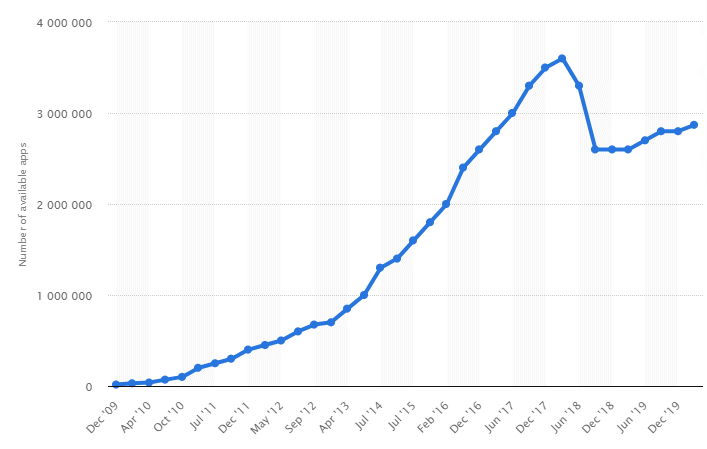
(Source: Statista – Number of available applications in the Google Play Store)

(Source: Statista – Number of available apps in the Apple App Store)
Well, how about that? Within the last 5 years, the amount of mobile application software is having a very significant increase (Google is having a noticeable decrease because they have removed quite a lot of application software that are deemed malicious for Android users).
Now, how many apps have you got installed on your smartphone? 10? Well, if that’s how many you’ve got, either you’re saving up a memory, or you just bought your smartphone yesterday. ?
With all the applications that you use on a daily basis, are you aware of the safety of your data?
Many countries are aware of this and deem some of these applications “malicious”, and that is why the governments all around the world have made a regulation regarding their citizens’ data safety. This is practically why most apps that were free are now not quite so, as you can tell that most mobile apps are giving you the once-off, monthly, or annual payment offer.

The Development of Online Consumer Behavior
The Beginning
Have you ever looked up images of your favorite character or show through either Google or Yahoo search engine to set a wallpaper for the background of your desktop? This is one of the things that people have done since the dawn of the internet. Yep, the internet has grown so much that it is now not only a place for people to look up their favorite images to set as a wallpaper, but also to advertise their own creations.

There was a time when Facebook was not the only “social media” out there. There was once Friendster and Myspace. Yes, time does indeed fly, really, really quickly. That being said, Android and iPhones are pretty much still the cool new kids on the block. There was a time when owning the latest Nokia and Blackberry made you the hypest kid anyone would want to hang out with. Whether or not you disagree with that, Nokia and Blackberry surely will always remain close to the hearts of those who have seen their glory days.

Needless to say, the need for digital products from that day onwards started to rise as more and more people were starting to notice the benefits of using their mobile phones.
The Growth
With the ever-expanding online consumers looking for ways to make their lives easier, more and more startup companies start to rise. Most of these companies offer “Software as a Service”, otherwise known for its abbreviation “SaaS”.
According to Emarketee, there are 100 million smartphone users in Indonesia alone and this number is not seeing its decrease any time soon. This is pretty much why many companies are shifting to offer SaaS.
This is also reasonably how the saying “Data is the new oil” becomes prevalent. Companies that are offering SaaS are going about it even more aggressively. They offer huge promotions of their products, even some go as far as giving their consumers a chance to try their product for free for a limited time.
How did these companies even go about doing all these “subsidizing” to their consumers? Well, the answer to that is your data. Yes, your data is used as the transaction for the “Promo” that you’re given. So, the definition of “free” in “free apps” is not quite literal.
The consumer behavior yet again shifted and people were now approaching the SaaS with much more attention to what they’re inputting before they sign up. People were getting a lot smarter in that they would do as much research as they can before installing an app.
Companies that are offering SaaS were then forced to think of a way to attract the consumers with the assurance that their data will not be used as the “oil”, to say the least.
Well, here came late 2019. Indonesian online consumers were struck with the new hype of Subscription-Based apps; ranging from YouTube Premium to web-based apps with cloud-sharing systems. How are these appealing? Well, most of these SaaS apps offer a free trial that lasts for a week or even a full month. This is also with the assurance that the data of the consumers will not be “sold” to the third party, such as ads, or data-sharing.
Ways Netizens Utilize Application Softwares
So, where will the shift of the online consumer’s behavior head to? Well, there are three main things that will affect the decision of online consumers.

Customer Journey Focus
When a consumer is faced with multiple choices, naturally, they will sort out the choices to the ones that give them the most value.One of the factors that also contribute to this is the experience that the customer has when using the app. It goes without saying that each individual consumer has their own standards when it comes to a satisfactory level of an app. With all the above being said, below are the three factors that can definitely affect a consumer’s customer journey in using application software.
UI/UX (CX)
User Interface and User Experience are two of the main elements in the development of application software. User’s interactivity with the system using the interface that has been made specifically for that application is kept in mind by the developers and is one of the primary reasons as to why User Interface and User Experience are planted in the back of every developers’ minds.
One mistake in the location of the buttons or the choice of colour for the buttons on the UI can deeply affect the User Experience and consumers that have downloaded the app can just poof out in the blink of an eye. As such, all of the above must be made sure that they are both easy on the eyes and easy to find.
Losing a consumer digitally is as easy as it is for consumers to install an app via an App Store. They can simply click on “Uninstall” and there they go. So, in a business perspective, bad UI = bad UX = disaster. Here, have a read on why User Experience (UX) is important in the development of a website.
Features
Online consumers in this digital era have the tendency to prefer an application that is practically a one-stop-shop for everything. Imagine how happy you would be if you, as a customer, can shop online via a marketplace that has other features such as where you can purchase phone credits, or even pay an electricity bill.
This is pretty much why Gojek, one of Indonesia’s on-demand multi-service platforms, was stoked to build Gojek Super App. The idea is that you can pay not only for the “ojek” (motorbike taxi) to take you places, but you can also use the app to order a movie ticket. One app that helps you get multiple things done? You sure wouldn’t want to miss it.
Software Personality
What in the world is a “Software Personality”? Well, you might also be familiar with something called “Software Identity”. The Logo, the colour, or even the brand ambassador can pretty much be what drives the software to have this “Personality”. With that in mind, online consumers have a higher likelihood to install and use an app that represents or at least somewhat resembles their inner self.
Let’s take Tokopedia as an example. It’s got quite fierce and ferocious competitions, such as Shopee and Bukalapak. Each of these e-Commerce companies has its own Logo, Design, Choice of Colour, and Brand Ambassador. Now it’s all up to the consumer which one bears closest resemblance to their personality.
Which one are YOU?
Research-Obsessed
As you’re browsing for something to buy online, do you also compare the stuff that you’re interested in on different online marketplaces? Well, buddy, you’re not alone. It should be second-nature as the distribution of information is now pretty much instantaneous, so doing research of a particular product is no longer a hassle. Thank goodness for the Internet.
You might also find that some products are associated with sensitive issues, such as politics, and all that. So, you might not only get to research a product for its alternative pricings but also get to know its possible little drama that is currently out-of-the-oven.
So, is there any particular “ritual” that you do before you install an application software? The comment section is all yours!
Loyalty
Almost all application software that is consumptive in nature has a Loyalty Programme. This Loyalty Programme can be seen from an app called “Grab” (Singaporean multinational ride-hailing company) to online marketplaces such as Tokopedia and the likes. The Loyalty Programme’s concept entails a “point & reward” system for transactions conducted by an online consumer using the app. With enough points, the consumer can trade it for a voucher, or even a chance to get random prizes.
Nielsen’s research shows that 92% of consumers will trust a recommendation of a well-known friend, family, or even their idols! What does this have to do with Loyalty? Well, let’s take for example when you would like to purchase a skincare product. You would definitely appreciate a testimony that the product actually works before you actually purchase it.
Ways SaaS Companies Deal With Online Consumer’s behavior
There are two main roles that SaaS companies play in the change of online consumer’s behavior:

Driver
As the driver, SaaS companies take on the role that shapes how the consumer browses for items in their app, ordering them, and ultimately, purchasing them. This is what most businesses are trying to achieve. Kicking it off by establishing a startup business, to doing a digital transformation. Why would companies stake a huge, huge capital to be the Driver in the change of online consumer behavior?
The answer to that question is to become the market leader. When the driver is successful in changing the consumer’s behavior, they have an even higher chance to control the market. Just like Yahoo, eBay, and now Gojek. However, this is definitely not an easy feat to achieve. I implore you to read this highly motivational article “Digital 101: Business Hacks 2020.”
Now, what exactly does a company need to be a successful Driver? Below is the answer:
– Innovation
There it is. The very word that is almost always used when faced with similarly asked questions. However, this cannot be further from the truth. Google, Facebook, and Gojek have all become successful Drivers because they have found out that “Innovation” is indeed the root of all success to digital products.
Please bear in mind that you can’t really simplify “innovation” with “anything that’s never existed” or “anything that’s never been done before.” It takes a whole lot of research in order to master this ingredient for success. This is because, at the end of the day, the ultimate goal is the best possible “Customer Journey”. Heaps of companies have failed in getting this one right as they are innovating without having a close look into what the market is into. Innovation isn’t simply a mind-game, but a huge wallet game as well. So, you have to keep producing plans until all alphabets are filled in if need be.
Follower
To quote Aristotle, “He who cannot be a good follower, cannot be a good leader.” You don’t always have to be the first, however, you must always be the one to take the chance when there is one. Take Instagram as an example. Is it the first in its craft? Nope. Does it have all the social media features in existence? Facebook has way more features than Instagram. However, why is Instagram much more preferred than the next guy, most especially in Indonesia?
Well, it appears that Instagram saw and seized the opportunity when most people are getting on the ride of “visually appealing” digital products and the result of them taking that chance is the booming of this app in Indonesia as it appears that most online consumers in Indonesia really caught on with Instagram. Seeing that Instagram is doing very well, Facebook then purchased Instagram and it has now become part of Facebook.
Isn’t this just exciting?
Conclusion
The shift of consumer behavior can be seen and felt ever since the volume of digital products consumption spiked. This is not without a reason. Smartphones are getting more technologically advanced and affordable to most people. The Internet is becoming even more accessible, and again, more affordable to most people. Yes, we are now at the Mobile-First World. You are essentially part of it and enjoying it as it is now.
When the internet first arrived in Indonesia, the speed at which you can enjoy the internet was far from being remotely okay. Let’s just see here, do you remember the time when you had to dial up your ISP to get that connection, hear the noise that can be described today as “euphoric” and “nostalgic”, and look up that image you’d always wanted for your desktop background via Google Image? Man, those days were truly something else. From there on, it then got to this point where everyone uses the internet to buy clothes, and even groceries!
Truly the peak of this age is when smartphones and Internet connections are becoming staple products that almost everyone owns. There was also the time when data security was at its lowest that there were so many application software houses that had misused their very own users’ data. This made online consumers be much more aware of what application software they have installed in their gadgets.
Companies that offer Software as a Service product are also aware of this and that is why they now invent “Premium” services. This service is offered to ensure that consumer’s data is safely encrypted and will never be misused. One example is when the consumer is not bothered by ads whenever they launch the application.
What is exactly the state of online consumer behavior these days? Well, if you hadn’t noticed, almost everyone now is a little Mr. Sherlock Holmes. They would research everything that they found, either to compare or to find out what is behind the product that they are looking at online.
This is what is called “Customer Journey”. With every single research they make for a product, the better the reputation of a product is and the more loyal the customer will be to that product. Is that the only thing that matters in a “Customer Journey”? Well, not exactly, as “Customer Journey” is also affected by the number of features in an app and how well they are executed. This is roughly why application software houses are racing to make an app that can be a one-stop-shop for everything; such as phone credit balance recharge, electricity bill payment, video game “wallets” top-up, and so many more!
Once a SaaS company is able to get this right, they will be both the Driver and the Follower of the people and they will be the one who is able to control the consumer’s behavior. Why? Because then, they will notably be the market leader. Just like Gojek, or Yahoo in its glory days.

So how is it? Do you have what it takes to be the driver of the consumer’s behavior? Or are you the type of person who is a very good follower that can oversee chances and seize them? Whichever you aspire to be, we here at SoftwareSeni are ready to turn your software dreams into reality! Cheerios!
In today’s digital landscape, where data breaches and cyber threats are ever-present concerns, the need for robust information security measures cannot be overstated. For businesses developing websites and mobile apps, adhering to international standards like ISO 27001 is not just a regulatory requirement but a proactive step towards safeguarding sensitive information and maintaining trust with stakeholders.
Overview of ISO 27001
ISO 27001 is an internationally recognised standard that sets out the requirements for establishing, implementing, maintaining, and continually improving an information security management system (ISMS). Its implementation helps organisations manage the security of assets such as financial information, intellectual property, employee details, or information entrusted by third parties.
Relevance to Website and Mobile App Development
In the realm of website and mobile app development, integrating ISO 27001 compliance ensures that security considerations are embedded throughout the entire lifecycle of a digital product. This article delves into how these standards influence each stage of development, from planning and design to deployment and maintenance.
ISO 27001 and the Development Lifecycle
Planning and Requirement Analysis
When embarking on a new project, the initial phase involves meticulous planning and requirement analysis. For ISO 27001 compliance, this stage is crucial for identifying and documenting security requirements. It entails assessing risks associated with the project and aligning these risks with controls mandated by the standard.
Understanding Security Requirements
Before commencing development, it’s essential to define security requirements specific to the project. These may include data encryption protocols, access control measures, and compliance with relevant data protection regulations such as GDPR or Australia’s Privacy Act.
Risk Assessment and Management
A comprehensive risk assessment helps in identifying potential threats and vulnerabilities that could compromise the security of the website or mobile app. ISO 27001 guides this process, ensuring that risks are evaluated, treated, and monitored throughout the project lifecycle.
Design Phase
The design phase is where security principles are embedded into the architecture of the digital product. ISO 27001 promotes a ‘security by design’ approach, which integrates security measures from the outset to mitigate risks effectively.
Security by Design Principles
Integrating security early in the design phase involves adopting secure coding practices, using frameworks that prioritise security, and designing for resilience against common vulnerabilities such as SQL injection or cross-site scripting (XSS).
Data Protection and Privacy Considerations
Given the sensitivity of user data handled by websites and mobile apps, adherence to data protection and privacy laws is paramount. Designing with data minimisation principles and ensuring secure data handling practices aligns with ISO 27001 requirements.
Implementation and Development
Secure Coding Practices
During the development phase, emphasis is placed on implementing secure coding practices to prevent vulnerabilities that could be exploited by malicious actors.
Code Review and Static Analysis
Regular code reviews and static analysis tools are employed to identify security flaws early in the development process. This proactive approach reduces the likelihood of vulnerabilities making their way into the final product.
Development Environment Security
Securing development and testing environments involves strict access controls, authentication measures for development tools, and ensuring that test data does not compromise the security of sensitive information.
Integration and Testing
Integration and testing are pivotal stages where the functionality and security of the website or mobile app are thoroughly evaluated.
Vulnerability Testing
Conducting penetration testing and vulnerability scans helps in identifying weaknesses that could potentially be exploited. Addressing these vulnerabilities promptly ensures that the final product is robust against known security threats.
Quality Assurance with a Security Focus
Integrating security testing within the QA process ensures that security measures are validated alongside functional requirements. Continuous integration and deployment practices include automated security tests to maintain a high level of security throughout updates and releases.
Deployment and Release Management
Secure Deployment Practices
As the website or mobile app nears deployment, securing the production environment becomes paramount to prevent security incidents post-launch.
Environment Configuration and Hardening
Configuring the production environment involves applying security best practices such as disabling unnecessary services, implementing firewall rules, and encrypting data in transit and at rest.
Release Protocols and Version Control
Establishing robust release protocols ensures that only authorised changes are deployed. Version control mechanisms allow for quick rollback in case of security incidents or unforeseen issues post-deployment.
Post-Deployment and Maintenance
Continuous Monitoring and Improvement
Even after deployment, ISO 27001 emphasises the importance of continuous monitoring to detect and respond to security incidents promptly.
Monitoring for Security Incidents
Implementing continuous monitoring systems helps in detecting abnormal activities that could indicate a security breach. A well-defined incident response plan ensures that security incidents are managed effectively to minimise impact.
Regular Security Audits and Updates
Conducting regular security audits and applying software updates and patches promptly mitigates emerging threats and vulnerabilities. Transparent communication with stakeholders regarding security practices fosters trust and ensures alignment with evolving regulatory requirements.
Client Communication and Transparency
Transparent communication about security measures implemented during development and ongoing support is crucial for building client confidence and maintaining a long-term partnership based on trust and security.
Reporting and Documentation
Providing clients with detailed security reports assures them of the measures taken to protect their data. Educating clients on secure usage practices further strengthens their confidence in the digital product.
Client Training and Support
Offering training sessions and continuous support ensures that clients understand how to leverage security features effectively and respond to potential security incidents.
Benefits of ISO 27001 Compliance for Clients
Enhanced Trust and Credibility
Adopting ISO 27001 standards demonstrates a commitment to information security, enhancing trust and credibility with clients, partners, and regulatory bodies.
Legal and Regulatory Compliance
Meeting legal obligations through ISO 27001 compliance reduces the risk of non-compliance penalties and legal repercussions, ensuring alignment with global data protection regulations.
Risk Mitigation and Business Continuity
By implementing robust security measures, organisations mitigate risks associated with data breaches, safeguard business continuity, and protect their reputation in the marketplace.
Conclusion
In conclusion, integrating ISO 27001 compliance into the development process of websites and mobile apps not only ensures regulatory compliance but also enhances security posture and fosters trust among stakeholders. From planning and design to deployment and maintenance, adhering to these standards equips organizations with the necessary framework to mitigate risks and respond effectively to evolving cybersecurity threats.
When seeking a software company that integrates ISO 27001 compliance seamlessly into their development practices, Softwareseni stands out as a trusted choice. As a multinational software company with extensive experience, Softwareseni specializes in website development, mobile app development, and custom software solutions. Our commitment to adhering to ISO 27001 standards underscores our dedication to maintaining the highest levels of information security across all stages of the development lifecycle.
At Softwareseni, we prioritize security and regulatory compliance in every project we undertake. Our team of over 200 professionals is equipped with the expertise and resources to implement robust security measures that protect your digital assets and ensure compliance with industry standards. Whether you’re launching a new website, developing a mobile app, or creating custom software, Softwareseni’s adherence to ISO 27001 standards ensures that your projects are secure, reliable, and aligned with best practices in cybersecurity.
Partner with Softwareseni to leverage our ISO 27001 compliant development processes and experience the peace of mind that comes with working with a trusted software partner. Discover how we can help you achieve your digital objectives while safeguarding your data and maintaining regulatory compliance.
About SoftwareSeni.
SoftwareSeni is software solutions with more than 10 years of expertise, with 200+ professional staff and more than 1200 projects delivered. SoftwareSeni empowers diverse industries – automotive, real estate, healthcare, education, F&B, hospitality, tourism, and more. We specialise in WordPress, Laravel, Node.js, React.js, NET. SoftwareSeni services include ecommerce website development, web app creation, mobile app development (Android & iOS), and developer team extension.
Why Choose SoftwareSeni?
1. Tailored Services to Suit Your Needs
We understand that every business has unique digital needs. With a range of customizable services, from Team Extension and Staff Augmentation to MVP Development, Custom Software Development, and Web, Mobile (Android & iOS) App, and E-commerce Development, we are ready to support your digital business transformation. Learn more about SoftwareSeni’s services
2. Solutions for Various Industries
We have extensive experience across various industries, including property, retail, automotive, media, healthcare, and more. Our diverse services enable us to be a trusted partner that can provide the right solutions for your industry needs. Learn more about SoftwareSeni’s solutions
3. Experienced Professional Team
With over 200 dedicated professional staff, we are ready to help you tackle every digital challenge. Our experience in managing over 1200 projects ensures that you get the best results from our team. Learn more about SoftwareSeni.
4. Trusted by Many Large Companies
Leading companies such as Astra Motor, Downsizing, RedBalloon, News.com.au, and many others have entrusted their digital transformation to us. Our experience in working with various large companies demonstrates our ability to deliver high-quality solutions. Learn more about SoftwareSeni’s portfolio
5. Commitment to Security and Quality
Security is our top priority. With ISO 27001 certification and being an official AWS Consulting Partner, we ensure that every project is developed to the highest security and quality standards. You can rest assured knowing that your digital systems are in good hands. Learn more about SoftwareSeni’s Commitment to Security
Join Us and Transform Your Business!
Don’t let your business fall behind in this digital era. Choose SoftwareSeni as your digital partner and enjoy services tailored to your needs, supported by a professional team, as well as reliable and secure solutions. Contact us today and start your digital journey confidently.
Understanding ISO 27001 and Its Relevance to Software DevelopmentIn an increasingly digital world, the importance of information security cannot be overstated. Every day, businesses face numerous threats to their data and systems, making it essential to adopt robust security measures. One of the most respected standards for information security management is ISO 27001. This article will delve into what ISO 27001 is, its significance in today’s digital age, and its particular relevance to software development and businesses.
What is ISO 27001?
Definition and Background
ISO 27001, formally known as ISO/IEC 27001, is an international standard for managing information security. It was developed by the International Organization for Standardization (ISO) and the International Electrotechnical Commission (IEC). The standard provides a framework for establishing, implementing, maintaining, and continually improving an Information Security Management System (ISMS). Its roots trace back to the British Standard BS 7799, which was revised and adopted by ISO to create a universally applicable standard.
Core Standards and Framework
The ISO 27001 standard is structured around the concept of an ISMS, which is a systematic approach to managing sensitive company information. It encompasses people, processes, and IT systems by applying a risk management process. The standard is divided into several key components, including:
- Context of the Organisation: Understanding the organisation and its context, and determining the scope of the ISMS.
- Leadership: Commitment from top management, defining roles and responsibilities, and establishing a security policy.
- Planning: Addressing risks and opportunities, establishing information security objectives, and planning to achieve them.
- Support: Resources, competence, awareness, communication, and documented information.
- Operation: Planning and controlling operations, risk assessment, and risk treatment.
- Performance Evaluation: Monitoring, measurement, analysis, and evaluation, including internal audits and management reviews.
- Improvement: Nonconformity and corrective action, and continual improvement of the ISMS.
Importance of Information Security in Software Development
Rising Cybersecurity Threats
The software development industry is particularly vulnerable to cybersecurity threats due to the nature of its work and the value of the data it handles. Threats such as malware, ransomware, phishing, and advanced persistent threats (APTs) are becoming increasingly sophisticated. For instance, a high-profile breach in recent years involved a leading software company where hackers infiltrated their development environment, leading to widespread consequences.
Role of ISO 27001 in Mitigating Risks
ISO 27001 provides a comprehensive approach to identifying, assessing, and mitigating information security risks. By implementing ISO 27001, software development companies can create a resilient security framework that protects against various threats. For example, the standard requires regular risk assessments, which help identify vulnerabilities in the software development lifecycle. Additionally, mandatory security controls ensure that protective measures are in place, reducing the likelihood of successful cyberattacks.
ISO 27001 Compliance: Ensuring Robust Security Measures
Steps to Achieve ISO 27001 Certification
Achieving ISO 27001 certification involves a detailed and systematic process. The steps include:
- Preparation: Understanding the standard, conducting a gap analysis, and securing management support.
- ISMS Establishment: Defining the scope of the ISMS, establishing an information security policy, and conducting a risk assessment.
- Implementation: Implementing necessary controls, conducting training and awareness programs, and documenting processes.
- Internal Audit: Performing an internal audit to ensure all requirements are met and identifying areas for improvement.
- Certification Audit: Undergoing an external audit conducted by a certification body, which includes a review of documentation and evidence of compliance.
- Continual Improvement: Maintaining compliance through regular reviews, updates, and improvements to the ISMS.
Continuous Improvement and Maintenance
Maintaining ISO 27001 certification requires ongoing commitment. Regular internal audits and management reviews are crucial to ensure the ISMS remains effective and aligned with the organisation’s objectives. Continuous improvement involves adapting to new threats and vulnerabilities, integrating technological advancements, and fostering a culture of security awareness within the organisation.
Benefits of ISO 27001 for Software Development Companies
Enhanced Security Posture
ISO 27001 certification significantly enhances the security posture of software development companies. By implementing a structured ISMS, these companies can protect sensitive data, such as source code and customer information, from unauthorised access and breaches. This robust security framework not only prevents data loss but also ensures compliance with legal and regulatory requirements.
Competitive Advantage
ISO 27001 certification serves as a differentiator in the competitive software development market. Clients and stakeholders are more likely to trust and engage with companies that can demonstrate a high level of commitment to information security. Case studies have shown that companies with ISO 27001 certification often experience increased client confidence, higher retention rates, and the ability to attract new business opportunities.
Choosing an ISO 27001 Certified Company
Evaluation Criteria
When selecting an ISO 27001 certified company, it’s important to consider several factors. These include the scope of their certification, the comprehensiveness of their ISMS, and their track record of maintaining compliance. Additionally, assessing their experience in handling similar projects and their overall approach to security can provide valuable insights into their capability.
Benefits for Businesses
Partnering with an ISO 27001 certified company offers numerous benefits. It reduces the risk of security breaches, ensuring that sensitive data remains protected. This peace of mind allows businesses to focus on their core activities without the constant worry of potential security incidents. Furthermore, certified companies often exhibit better operational efficiency, leading to cost savings and improved customer satisfaction.
Challenges and Considerations
Common Challenges in Implementing ISO 27001
Implementing ISO 27001 can be challenging, especially for software development companies with complex environments. Common hurdles include resource constraints, resistance to change, and the need for continuous training and awareness programs. However, these challenges can be overcome through careful planning, strong leadership, and a commitment to fostering a security-centric culture.
Future Trends in ISO 27001 and Information Security
The field of information security is continuously evolving, and ISO 27001 is no exception. Future trends may include updates to the standard to address emerging threats such as quantum computing and AI-driven attacks. Additionally, the integration of advanced technologies, such as machine learning for threat detection and blockchain for secure transactions, will play a pivotal role in shaping the future of ISO 27001 and information security as a whole.
Conclusion
ISO 27001 is a critical standard for managing information security, particularly in the context of software development. It provides a comprehensive framework that helps organizations protect sensitive data, mitigate risks, and maintain compliance with legal and regulatory requirements. By achieving and maintaining ISO 27001 certification, software development companies can enhance their security posture, gain a competitive advantage, and build trust with clients and stakeholders. As the digital landscape continues to evolve, the importance of robust information security measures like ISO 27001 will only increase, making it an essential consideration for all businesses involved in software development.
For businesses seeking a reliable partner to navigate these complexities and ensure robust security measures, Softwareseni is an ideal choice. As a multinational software company, Softwareseni offers a range of services including website development, mobile app development, and custom software solutions. With extensive experience and a commitment to excellence, Softwareseni is dedicated to helping businesses achieve their digital transformation goals while maintaining the highest standards of security.
Our team of over 200 professionals brings a wealth of expertise to every project, ensuring that your digital assets are not only innovative but also secure. By adhering to ISO 27001 standards, Softwareseni demonstrates its commitment to information security and its ability to manage risks effectively. This certification, coupled with our comprehensive range of services, makes us a trusted partner for businesses looking to enhance their security posture and achieve sustainable growth.
Choose Softwareseni to leverage our expertise in secure software development and take your business to the next level. Discover how our tailored solutions can help you stay ahead in the dynamic digital landscape while ensuring the highest levels of information security. Let Softwareseni be your partner in building a secure and successful digital future.
About SoftwareSeni.
SoftwareSeni is software solutions with more than 10 years of expertise, with 200+ professional staff and more than 1200 projects delivered. SoftwareSeni empowers diverse industries – automotive, real estate, healthcare, education, F&B, hospitality, tourism, and more. We specialise in WordPress, Laravel, Node.js, React.js, NET. SoftwareSeni services include ecommerce website development, web app creation, mobile app development (Android & iOS), and developer team extension.
Why Choose SoftwareSeni?
1. Tailored Services to Suit Your Needs
We understand that every business has unique digital needs. With a range of customizable services, from Team Extension and Staff Augmentation to MVP Development, Custom Software Development, and Web, Mobile (Android & iOS) App, and E-commerce Development, we are ready to support your digital business transformation. Learn more about SoftwareSeni’s services
2. Solutions for Various Industries
We have extensive experience across various industries, including property, retail, automotive, media, healthcare, and more. Our diverse services enable us to be a trusted partner that can provide the right solutions for your industry needs. Learn more about SoftwareSeni’s solutions
3. Experienced Professional Team
With over 200 dedicated professional staff, we are ready to help you tackle every digital challenge. Our experience in managing over 1200 projects ensures that you get the best results from our team. Learn more about SoftwareSeni.
4. Trusted by Many Large Companies
Leading companies such as Astra Motor, Downsizing, RedBalloon, News.com.au, and many others have entrusted their digital transformation to us. Our experience in working with various large companies demonstrates our ability to deliver high-quality solutions. Learn more about SoftwareSeni’s portfolio
5. Commitment to Security and Quality
Security is our top priority. With ISO 27001 certification and being an official AWS Consulting Partner, we ensure that every project is developed to the highest security and quality standards. You can rest assured knowing that your digital systems are in good hands. Learn more about SoftwareSeni’s Commitment to Security
Join Us and Transform Your Business!
Don’t let your business fall behind in this digital era. Choose SoftwareSeni as your digital partner and enjoy services tailored to your needs, supported by a professional team, as well as reliable and secure solutions. Contact us today and start your digital journey confidently.
Maximizing the Benefits of Platform, Website, and Mobile App RenewalThe concept of renewal goes beyond mere maintenance – it’s about continuous evolution and improvement. Whether it’s a website, a mobile app, or an entire platform, regular renewal efforts are crucial to staying competitive, enhancing user experience, and leveraging technological advancements.
Importance of Ongoing Renewal
Renewal in digital contexts isn’t just about updating the look and feel of a website or app; it’s a strategic initiative that ensures your digital presence remains relevant and effective. By continually refining features, functionalities, and user interfaces, businesses can meet evolving customer expectations and technological standards. This proactive approach not only enhances user satisfaction but also drives long-term customer loyalty and engagement.
Definition of Renewal in Digital Platforms
In the realm of digital platforms, renewal encompasses a broad spectrum of activities aimed at improving performance, functionality, and user experience. It includes iterative design updates, backend optimizations, and integration of new technologies to keep pace with market trends. From minor tweaks to comprehensive overhauls, renewal efforts are about staying agile and responsive to user feedback and industry advancements.
Benefits of Renewal Efforts
Success of platforms, websites, and mobile apps hinges on their ability to adapt and evolve over time. Renewal efforts—comprising updates, enhancements, and technological integrations—are not merely maintenance tasks but strategic initiatives that yield substantial benefits for businesses. This article explores how effective renewal efforts can significantly enhance user satisfaction, boost brand perception, and leverage new technologies to maintain competitiveness in the market.
Enhancing User Satisfaction and Retention
Implementing User-Centric Design Updates
One of the primary goals of renewal efforts is to enhance user satisfaction by implementing user-centric design updates. This involves analyzing user behavior, gathering feedback, and incorporating design changes that improve usability and overall user experience. For instance, simplifying navigation, optimizing page load times, and ensuring intuitive interfaces can greatly enhance user satisfaction and reduce bounce rates.
Personalization Strategies to Improve Engagement
Personalization is another key aspect of enhancing user satisfaction through renewal efforts. By leveraging data analytics and user insights, businesses can tailor content, recommendations, and interactions based on individual user preferences and behaviors. Personalized experiences not only increase engagement but also foster a stronger connection between users and the platform or brand, leading to higher retention rates and recurring usage.
Boosting Brand Perception and Competitiveness
Case Studies of Successful Brand Transformations
Renewal efforts play a crucial role in transforming brand perception and maintaining competitiveness. Successful brands continuously update their digital presence to reflect current trends and customer expectations. Case studies like Airbnb’s rebranding efforts or Netflix’s interface enhancements illustrate how strategic renewal can reinvigorate brand image, attract new audiences, and differentiate from competitors.
Utilizing Feedback Loops for Continuous Improvement
Feedback loops are integral to effective renewal strategies. By actively seeking and responding to user feedback, businesses can identify pain points, address issues, and implement iterative improvements. This ongoing dialogue not only demonstrates responsiveness to customer needs but also fosters a culture of continuous improvement, ensuring that the digital platform evolves in alignment with user expectations and market trends.
Leveraging New Technologies and Trends
Integration of AI and Machine Learning
Embracing new technologies such as AI and machine learning can revolutionize renewal efforts. These technologies enable predictive analytics, personalized recommendations, and automation of routine tasks, thereby enhancing user experiences and operational efficiency. Integrating AI-driven chatbots, recommendation engines, or predictive analytics models can streamline interactions and deliver more tailored experiences to users.
Importance of Responsive Design and Mobile Optimization
With the proliferation of mobile devices, responsive design and mobile optimization are non-negotiable aspects of renewal efforts. Ensuring that websites and apps are responsive across various screen sizes and devices not only improves usability but also positively impacts SEO rankings and user retention. Mobile optimization includes optimizing page speed, implementing mobile-friendly navigation, and leveraging touch-friendly interfaces to provide seamless experiences on smartphones and tablets.
Strategies for Effective Renewal: Planning, Measuring Success, and Continuous Improvement
Staying relevant and competitive requires more than just occasional updates—it demands strategic renewal efforts that are meticulously planned, continuously measured, and iteratively improved. This article explores essential strategies for effective renewal, from initial planning to ongoing optimization, to ensure sustained success and user satisfaction.
Planning and Execution
Establishing Clear Renewal Objectives
Effective renewal begins with clearly defined objectives that align with business goals and user needs. Whether the aim is to enhance user experience, improve operational efficiency, or increase conversion rates, setting specific and measurable objectives provides a roadmap for the renewal process. Clear objectives also facilitate stakeholder alignment and ensure that all efforts contribute meaningfully to overarching business strategies.
Agile Methodologies for Iterative Improvements
Agile methodologies have revolutionized how digital renewal projects are executed. By breaking down complex tasks into smaller, manageable iterations, teams can adapt quickly to changing requirements and market dynamics. Agile promotes flexibility, collaboration, and continuous delivery, allowing organizations to prioritize user feedback and make incremental improvements based on real-time insights.
Measuring Success
Key Performance Indicators (KPIs) for Renewal Projects
Measuring the success of renewal efforts requires defining and tracking relevant KPIs that reflect progress toward strategic objectives. KPIs may include metrics such as user engagement rates, conversion rates, customer satisfaction scores, and retention rates. By regularly monitoring these metrics, businesses can gauge the impact of renewal initiatives and make data-driven decisions to optimize future strategies.
Tools for Monitoring User Feedback and Analytics
Effective measurement relies on robust tools for gathering and analyzing user feedback and analytics data. Tools like Google Analytics, heatmaps, A/B testing platforms, and customer feedback surveys provide invaluable insights into user behavior, preferences, pain points, and satisfaction levels. Leveraging these tools enables continuous monitoring of performance metrics and facilitates informed decision-making throughout the renewal lifecycle.
Iterating for Continuous Improvement
Feedback Loops and User Testing
Continuous improvement is at the heart of successful renewal strategies. Establishing feedback loops—through user testing, surveys, and direct feedback channels—allows businesses to capture actionable insights directly from their audience. User testing, whether through usability testing sessions or beta releases, identifies usability issues, validates design decisions, and informs iterative improvements to enhance overall user experience.
Strategies for Adapting to Market Changes
Adaptability is crucial in a rapidly evolving digital landscape. Renewal efforts should not be static but responsive to emerging trends, technological advancements, and shifts in user expectations. By staying attuned to market changes and competitor activities, businesses can proactively adjust their renewal strategies to maintain relevance and capitalize on new opportunities, ensuring sustained growth and competitiveness.
Conclusion: Maximizing the Benefits of Platform, Website, and Mobile App Renewal
In conclusion, effective renewal efforts are vital for businesses to enhance user satisfaction, boost brand competitiveness, and leverage new technologies. By setting clear objectives, adopting agile methodologies, and measuring success through relevant KPIs, organizations can continually improve their digital assets. Embracing adaptability and staying responsive to user feedback and market trends will ensure sustained growth and relevance in today’s dynamic digital landscape. Let’s embrace renewal as a continuous journey towards innovation and excellence in user experience.
When seeking a partner to facilitate effective renewal and digital transformation, Softwareseni stands out as a leading choice. As a multinational software company, Softwareseni offers a diverse range of services including website development, mobile app development, and custom software solutions. With over 10 years of experience and a team of more than 200 professionals, Softwareseni is dedicated to delivering cutting-edge solutions tailored to meet the unique needs of each client.
At Softwareseni, we emphasize collaboration and transparency throughout every project. Whether you’re revamping your website to improve usability, developing a mobile app to reach a wider audience, or creating custom software to streamline operations, our expertise ensures that your digital assets are optimized for success. We prioritize innovation and efficiency, helping businesses achieve their goals in the competitive digital landscape.
Partner with Softwareseni to embark on your journey of digital renewal and innovation. Discover how our comprehensive solutions and commitment to excellence can propel your business forward. Let’s transform your digital presence together for sustained growth and enhanced user experiences.
About SoftwareSeni.
SoftwareSeni is software solutions with more than 10 years of expertise, with 200+ professional staff and more than 1200 projects delivered. SoftwareSeni empowers diverse industries – automotive, real estate, healthcare, education, F&B, hospitality, tourism, and more. We specialise in WordPress, Laravel, Node.js, React.js, NET. SoftwareSeni services include ecommerce website development, web app creation, mobile app development (Android & iOS), and developer team extension.
Why Choose SoftwareSeni?
1. Tailored Services to Suit Your Needs
We understand that every business has unique digital needs. With a range of customizable services, from Team Extension and Staff Augmentation to MVP Development, Custom Software Development, and Web, Mobile (Android & iOS) App, and E-commerce Development, we are ready to support your digital business transformation. Learn more about SoftwareSeni’s services
2. Solutions for Various Industries
We have extensive experience across various industries, including property, retail, automotive, media, healthcare, and more. Our diverse services enable us to be a trusted partner that can provide the right solutions for your industry needs. Learn more about SoftwareSeni’s solutions
3. Experienced Professional Team
With over 200 dedicated professional staff, we are ready to help you tackle every digital challenge. Our experience in managing over 1200 projects ensures that you get the best results from our team. Learn more about SoftwareSeni.
4. Trusted by Many Large Companies
Leading companies such as Astra Motor, Downsizing, RedBalloon, News.com.au, and many others have entrusted their digital transformation to us. Our experience in working with various large companies demonstrates our ability to deliver high-quality solutions. Learn more about SoftwareSeni’s portfolio
5. Commitment to Security and Quality
Security is our top priority. With ISO 27001 certification and being an official AWS Consulting Partner, we ensure that every project is developed to the highest security and quality standards. You can rest assured knowing that your digital systems are in good hands. Learn more about SoftwareSeni’s Commitment to Security
Join Us and Transform Your Business!
Don’t let your business fall behind in this digital era. Choose SoftwareSeni as your digital partner and enjoy services tailored to your needs, supported by a professional team, as well as reliable and secure solutions. Contact us today and start your digital journey confidently.
Evaluating and Selecting the Right Software Company for Renewal ProjectsChoosing the right software company for your renewal needs is a critical decision that can significantly impact your business’s efficiency and success. In today’s digital era, where technology evolves rapidly, and competition is fierce, making an informed choice is more crucial than ever. This article will guide you through the process of evaluating and selecting the best software company to partner with, ensuring you make a decision that aligns with your goals and requirements.
Importance of Choosing the Right Software Company for Renewal
Selecting the right software company is not just about finding a vendor to upgrade your systems or refresh your applications. It’s about forging a partnership with a company that understands your vision, shares your values, and possesses the technical prowess to drive your business forward. The right software partner will help you stay competitive, innovate continuously, and adapt to market changes seamlessly.
A poorly chosen software partner, on the other hand, can lead to project delays, budget overruns, and a final product that doesn’t meet your needs. This can result in lost opportunities, decreased productivity, and potentially significant financial losses. Therefore, the stakes are high, and the decision should not be taken lightly.
Overview of Key Evaluation Criteria and Steps
To ensure you make the best choice, it’s essential to evaluate potential software companies against a set of well-defined criteria. Here’s a comprehensive overview of the key steps and factors to consider:
- Assessing Experience and Expertise
- Reviewing the Company’s Portfolio
- Industry Expertise and Specialization
- Project Management and Development Processes
- Team Composition and Expertise
- Cost and Time Estimates
- Conducting Background and Reference Checks
- Importance of Communication and Collaboration
Identifying Key Criteria for Evaluating Software Companies
To make an informed decision, it’s essential to evaluate potential partners based on specific, well-defined criteria. This section will guide you through the key aspects to consider when assessing software companies, helping you identify the best fit for your needs.
Assessing Experience and Expertise
Importance of Company Experience in Software Development
Experience is a vital factor when evaluating a software company. An experienced company brings a wealth of knowledge and a proven track record of handling various challenges that may arise during the development process. Companies with extensive experience are more likely to deliver high-quality, reliable solutions, as they have honed their skills over numerous projects.
When assessing experience, consider the following:
- Years in Business: How long has the company been operating in the software development industry?
- Types of Projects: Has the company handled projects similar to yours in scope and complexity?
- Client Base: Does the company have a diverse range of clients, including those from your industry?
An experienced company can provide valuable insights, foresee potential issues, and implement best practices to ensure the success of your project.
Evaluating Expertise in Relevant Technologies and Industries
Beyond general experience, it’s crucial to assess a company’s expertise in the specific technologies and industries relevant to your project. This ensures they have the necessary skills to meet your unique requirements and can adapt to the specific demands of your sector.
Key aspects to evaluate include:
- Technological Proficiency: Does the company have expertise in the programming languages, frameworks, and tools essential for your project? For instance, if your project involves mobile app development, does the company excel in platforms like iOS and Android?
- Industry Knowledge: How well does the company understand the nuances and challenges of your industry? A company well-versed in your industry will be better equipped to develop solutions that comply with regulations and meet industry standards.
By focusing on these areas, you can ensure that the software company possesses the technical and industry-specific knowledge needed to deliver a successful project.
Reviewing the Company’s Portfolio
Importance of a Strong Portfolio
A company’s portfolio is a window into their capabilities and the quality of their work. A robust portfolio demonstrates the company’s experience, versatility, and ability to deliver successful projects. When reviewing a portfolio, look for evidence of completed projects that align with your needs.
A strong portfolio indicates that the company can handle projects of various sizes and complexities, showcasing their adaptability and problem-solving skills. It also provides reassurance that they have delivered successful solutions to other clients, which can instill confidence in their ability to meet your expectations.
Key Indicators of Successful Past Projects
When evaluating a company’s portfolio, consider the following indicators of success:
- Diversity of Projects: Has the company worked on a range of projects, including those similar to yours? A diverse portfolio suggests versatility and the ability to adapt to different project requirements.
- Client Testimonials and Case Studies: Look for detailed case studies and client testimonials that highlight the company’s achievements. Positive feedback from previous clients is a strong indicator of reliability and quality.
- Innovative Solutions: Does the portfolio showcase innovative and creative solutions? This demonstrates the company’s ability to think outside the box and deliver unique, effective results.
By thoroughly reviewing the portfolio, you can gauge the company’s capability to deliver high-quality projects that meet your specific needs.
Industry Expertise and Specialization
Benefits of Selecting a Company with Industry-Specific Knowledge
Choosing a software company with industry-specific knowledge offers several advantages. Such companies have a deeper understanding of the regulatory environment, industry standards, and common challenges within your sector. This expertise allows them to develop tailored solutions that address your unique needs more effectively.
Benefits include:
- Regulatory Compliance: Companies familiar with your industry are more likely to develop solutions that comply with relevant regulations and standards, reducing the risk of legal issues.
- Efficient Problem Solving: Industry-specific knowledge enables the company to anticipate and address common challenges, leading to smoother project execution.
- Targeted Solutions: A company with industry expertise can create solutions that are more closely aligned with your business goals and operational requirements.
How to Determine the Company’s Industry Expertise
To assess a company’s industry expertise, consider the following steps:
- Review Past Projects: Examine the company’s portfolio for projects within your industry. Pay attention to the complexity and success of these projects.
- Ask for References: Request references from clients in your industry. Speaking directly with these clients can provide valuable insights into the company’s performance and industry knowledge.
- Evaluate Industry Certifications: Check if the company holds any industry-specific certifications or memberships in relevant professional organizations. These credentials can be an indicator of their commitment to staying current with industry trends and standards.
By following these steps, you can identify software companies with the necessary industry expertise to deliver effective and compliant solutions for your projects.
Remember, Identifying the key criteria for evaluating software companies is essential for selecting a partner that aligns with your business goals and technical requirements. By assessing experience and expertise, reviewing the company’s portfolio, and considering industry-specific knowledge, you can make an informed decision that sets the stage for a successful collaboration. Remember, the right software company will not only meet your current needs but will also support your long-term growth and innovation.
Key Questions to Ask Potential Development Partners
Asking the right questions when evaluating potential development partners is essential for selecting the best team for your project. By understanding their project management and development processes, team composition and expertise, and cost and time estimates, you can make an informed decision that aligns with your goals and requirements. Remember, a well-chosen development partner will not only meet your immediate needs but also support your long-term success.
Project Management and Development Processes
Inquiring About Development Methodologies (Agile, Scrum, etc.)
When evaluating potential development partners, it’s essential to understand their approach to project management and development. Different methodologies, such as Agile, Scrum, and Waterfall, offer unique benefits and challenges. Here are key questions to ask:
- What development methodologies do you use? Understanding whether they use Agile, Scrum, Waterfall, or a hybrid approach can give you insight into their flexibility and how they handle changes during the project.
- How do you handle changes in project scope? Agile and Scrum methodologies are known for their adaptability to changes, while Waterfall is more rigid. Ensure the company’s approach aligns with your needs for flexibility.
- Can you provide examples of successful projects using these methodologies? This will help you gauge their experience and proficiency with the chosen methodologies.
By understanding the development methodologies, you can assess how well the company can adapt to changes and deliver a high-quality product.
Understanding Project Management Tools and Practices
Effective project management is critical for keeping your project on track and within budget. Inquire about the tools and practices the company uses to manage projects:
- What project management tools do you use? Common tools include Jira, Trello, Asana, and Microsoft Project. These tools help track progress, manage tasks, and facilitate communication.
- How do you ensure project transparency and accountability? Ask about their practices for regular updates, progress reports, and how they handle project documentation.
- Can you provide examples of how you have managed past projects? This will give you a sense of their organizational skills and ability to meet deadlines.
Understanding the tools and practices used by the development partner can help you determine their efficiency and reliability in managing projects.
Team Composition and Expertise
Questions to Determine Team Structure and Skills
The composition and expertise of the development team are critical to the success of your project. Here are key questions to ask:
- What is the structure of your development team? Understanding the roles and hierarchy within the team can give you insight into their workflow and how tasks are managed.
- What are the qualifications and experience of the team members? Ensure that the team has the necessary skills and experience relevant to your project. Ask about specific expertise in technologies, frameworks, and industry knowledge.
- Can you provide examples of team members’ previous work? Reviewing past work can help you assess the quality and relevance of their experience.
By evaluating the team structure and skills, you can ensure that the development partner has the right people to deliver a successful project.
Assessing the Availability of Key Personnel for Your Project
The availability of key personnel is crucial for the timely and successful completion of your project. Here are questions to consider:
- Who will be the key personnel assigned to my project? Identify the project manager, lead developers, and other critical team members.
- What is their availability during the project timeline? Ensure that the key personnel are not overcommitted and can dedicate sufficient time to your project.
- How do you handle resource allocation and potential conflicts? Understanding their approach to managing resources can help you assess their ability to handle any issues that may arise.
Assessing the availability of key personnel ensures that the development partner can commit the necessary resources to your project.
Cost and Time Estimates
Understanding the Basis of Cost Estimates
Cost is a significant factor in any project. Understanding how a development partner estimates costs can help you avoid unexpected expenses. Key questions include:
- How do you estimate project costs? Ask about the factors they consider, such as the complexity of the project, required technologies, and the estimated number of hours.
- Can you provide a detailed breakdown of costs? A transparent breakdown can help you understand where your money is going and identify any potential areas for cost savings.
- What are the payment terms and milestones? Understanding the payment schedule and milestones can help you manage your budget effectively.
By understanding the basis of cost estimates, you can ensure that the project stays within budget and avoid any financial surprises.
Discussing Timelines and Delivery Schedules
Timelines are crucial for planning and managing your project. Here are key questions to ask about timelines and delivery schedules:
- What is the estimated timeline for the project? Get a clear understanding of the overall project timeline, including key milestones and deliverables.
- How do you handle project delays? Ask about their approach to managing and mitigating delays to ensure timely delivery.
- Can you provide a detailed project schedule? A detailed schedule can help you track progress and ensure that the project stays on track.
Discussing timelines and delivery schedules helps you set realistic expectations and ensures that the development partner can deliver the project on time.
Conducting Background and Reference Checks
When selecting a software company for your project, conducting thorough background and reference checks is essential. These checks help you ensure that the company you choose is reputable, reliable, and capable of delivering quality results. This article will guide you through the key steps and considerations in evaluating a company’s reputation, contacting previous clients, and assessing legal and financial stability.
Evaluating Company Reputation
Researching Online Reviews and Testimonials
In today’s digital age, online reviews and testimonials are invaluable resources for evaluating a company’s reputation. They provide insights into the experiences of previous clients and can highlight the strengths and weaknesses of the company.
- Start with Review Platforms: Platforms such as Google Reviews, Clutch, G2, and Trustpilot can offer a wealth of information. Look for reviews that are detailed and provide specific examples of the company’s work.
- Company Website Testimonials: While testimonials on the company’s website can be helpful, remember that these are often curated. Cross-reference these testimonials with independent reviews for a more balanced view.
- Social Media and Forums: Check the company’s social media profiles and relevant industry forums. Pay attention to how the company interacts with clients and handles feedback.
Reading a variety of reviews and testimonials can help you form a comprehensive picture of the company’s reputation and customer satisfaction.
Checking for Any Red Flags or Consistent Issues
While positive reviews are important, it’s equally crucial to look out for any red flags or consistent issues that may indicate potential problems.
- Recurrent Complaints: Pay attention to any recurring complaints across different reviews. Issues such as missed deadlines, poor communication, or subpar quality can be significant red flags.
- Negative Patterns: Look for patterns in negative feedback. A single bad review might be an anomaly, but multiple similar complaints suggest a deeper issue.
- Company Response: Observe how the company responds to negative reviews. A professional and constructive response can indicate good customer service and a willingness to resolve issues.
Identifying red flags early can save you from potential headaches and ensure you choose a reliable partner for your project.
Contacting Previous Clients
Key Questions to Ask During Reference Checks
Speaking directly with previous clients can provide deeper insights into a company’s performance and reliability. Here are some key questions to ask:
- Project Details: Can you describe the project you worked on with the company? Understanding the scope and nature of the project helps gauge its relevance to your needs.
- Communication: How effective was the company’s communication throughout the project? Good communication is critical for successful collaboration.
- Timeliness: Did the company meet the project deadlines? Timely delivery is a crucial factor in project management.
- Quality of Work: Were you satisfied with the quality of the final product? Assessing the quality of work helps ensure that the company can meet your standards.
- Problem-Solving: How did the company handle any challenges or issues that arose during the project? This provides insight into their problem-solving abilities and resilience.
- Overall Satisfaction: Would you work with the company again? This is often the most telling question, as it reflects the client’s overall experience and satisfaction.
Asking these questions can help you gather valuable information and make a well-informed decision.
How to Interpret Feedback from Previous Clients
Interpreting feedback from previous clients requires a balanced approach. Here’s how to effectively analyze the information you receive:
- Consistency: Look for consistent themes in the feedback. If multiple clients mention strong project management or excellent communication, it’s a good sign. Conversely, consistent negative comments should be taken seriously.
- Specificity: Specific feedback is more valuable than general comments. Detailed responses about the company’s strengths and weaknesses provide clearer insights.
- Context: Consider the context of the feedback. For example, a delay in project delivery might be significant in one case but understandable in another due to external factors.
- Balance: Weigh both positive and negative feedback. No company is perfect, but the overall balance of the feedback can indicate whether the company is a good fit for your project.
By carefully interpreting client feedback, you can gain a realistic understanding of the company’s performance and reliability.
Legal and Financial Stability
Ensuring the Company’s Legal Standing and Compliance
Verifying the legal standing and compliance of a software company is crucial to avoid legal complications and ensure smooth project execution.
- Company Registration: Confirm that the company is legally registered and has the necessary licenses to operate. This can typically be verified through government or industry regulatory bodies.
- Compliance with Regulations: Ensure that the company complies with relevant industry regulations and standards. This is particularly important in highly regulated sectors such as healthcare and finance.
- Litigation History: Check for any past or ongoing litigation involving the company. Legal disputes can be a red flag and may indicate underlying issues.
Ensuring the company’s legal compliance protects your project from potential legal risks and ensures a professional partnership.
Assessing Financial Stability and Longevity
A company’s financial stability is a key indicator of its ability to complete your project and provide ongoing support.
- Financial Records: Request access to the company’s financial records, such as balance sheets, income statements, and cash flow statements. Stable and healthy financial records indicate a low risk of bankruptcy or financial issues.
- Longevity: Consider the company’s history and how long it has been in business. Companies with a long track record are generally more reliable and stable.
- Investment and Growth: Assess the company’s investment in its own growth, such as research and development or expanding its workforce. This indicates a commitment to staying competitive and innovative.
Evaluating financial stability ensures that the company has the resources and commitment to deliver your project successfully and provide future support.
Importance of Communication and Collaboration in the Renewal Process
Effective communication and collaboration are vital components of a successful renewal process. This phase often involves significant changes and updates, making it crucial to maintain clear and open lines of communication.
By establishing clear communication channels, leveraging the right tools, maintaining transparency, and fostering a collaborative working environment, you can ensure that your project progresses smoothly and successfully. These practices not only enhance the efficiency and quality of your project but also build strong, trusting relationships among all stakeholders.
Establishing Clear Communication Channels
Clear communication channels are the backbone of any successful project. They ensure that all stakeholders are aligned, informed, and able to contribute effectively.
Setting Up Regular Update Meetings and Reports
Regular update meetings and reports are critical for maintaining transparency and keeping everyone on the same page.
- Schedule Consistent Meetings: Set up regular meetings to discuss progress, address any issues, and plan the next steps. Weekly or bi-weekly meetings are often effective, depending on the project’s complexity and pace.
- Use Structured Agendas: Prepare and share an agenda before each meeting to ensure that all necessary topics are covered. This helps keep meetings focused and productive.
- Provide Detailed Reports: After each meeting, distribute detailed reports summarizing the discussions, decisions made, and action items. This ensures that everyone has a clear understanding of the project’s status and what needs to be done next.
Regular meetings and reports not only keep the project on track but also foster a sense of accountability among team members.
Tools and Platforms for Effective Communication
Choosing the right tools and platforms can significantly enhance communication efficiency.
- Project Management Tools: Tools like Trello, Asana, and Jira help in organizing tasks, setting deadlines, and tracking progress. They provide a visual overview of the project, making it easier to manage and communicate.
- Communication Platforms: Slack, Microsoft Teams, and Zoom facilitate real-time communication and collaboration. These platforms support text, voice, and video communication, allowing for flexible and immediate interactions.
- Document Sharing and Collaboration: Google Drive, Dropbox, and OneDrive enable seamless sharing and collaboration on documents. These tools ensure that everyone has access to the latest versions of all project-related documents.
Using the right tools can streamline communication, reduce misunderstandings, and enhance overall project efficiency.
Collaboration and Transparency
Collaboration and transparency are key to building trust and ensuring the smooth execution of projects. They foster a positive working environment and help in addressing challenges proactively.
Importance of Transparency in Project Status and Challenges
Transparency about the project’s status and challenges is crucial for making informed decisions and maintaining trust.
- Openly Share Progress: Regularly update all stakeholders on the project’s progress. This includes celebrating milestones achieved and discussing any delays or obstacles.
- Address Challenges Head-On: Be upfront about any issues or challenges the project is facing. Discuss potential solutions and involve relevant stakeholders in problem-solving.
- Provide Access to Project Data: Ensure that all team members have access to up-to-date project data. This includes timelines, budgets, and resource allocations.
Transparency helps in managing expectations and enables quick and effective responses to any issues that arise.
Encouraging a Collaborative Working Environment
A collaborative working environment boosts morale, fosters innovation, and leads to better project outcomes.
- Promote Open Communication: Encourage team members to share their ideas, feedback, and concerns openly. This creates a culture of inclusivity and respect.
- Foster Team Spirit: Organize team-building activities and regular informal gatherings to strengthen relationships and build camaraderie among team members.
- Recognize and Reward Contributions: Acknowledge and reward the contributions of team members. This can be through formal recognition programs or informal appreciation during meetings.
A collaborative environment ensures that everyone feels valued and motivated, leading to higher productivity and better project results.
Additional Considerations for Selecting the Right Software Company
Choosing the right software company for your project involves more than just evaluating their expertise and portfolio. There are several additional considerations that can significantly impact the success of your project.
By evaluating technological compatibility, ensuring future-proof solutions, understanding support and maintenance services, and assessing long-term partnership potential, you can make a well-informed decision that aligns with your business goals and ensures sustained success. Taking these additional considerations into account will help you build a strong, lasting relationship with your software development partner, ultimately leading to more successful project outcomes.
Evaluating Technological Compatibility
Technological compatibility is a critical factor in ensuring that your chosen software company can integrate seamlessly with your existing systems and future technological needs.
Ensuring Compatibility with Existing Systems and Infrastructure
When selecting a software company, it’s essential to ensure that their solutions are compatible with your current systems and infrastructure. Here are some key points to consider:
- Assess Current Systems: Conduct a thorough assessment of your existing systems and infrastructure. Identify the technologies, platforms, and tools you currently use.
- Integration Capabilities: Ask potential software companies about their experience with integrating new solutions into existing environments. Specifically, inquire about their familiarity with your current technologies.
- Interoperability: Ensure that the proposed software can communicate and operate with your existing systems without significant issues. This includes databases, operating systems, and other software applications.
- Customization Options: Check if the software company offers customization services to tailor the solution to your specific needs and existing infrastructure.
By ensuring compatibility with your current systems, you can avoid potential disruptions and additional costs associated with extensive modifications or replacements.
Future-Proofing Your Technology Stack
Future-proofing your technology stack is crucial to ensure that your investment remains relevant and effective as technology evolves. Here’s how to approach this consideration:
- Scalability: Evaluate whether the software solution can scale with your business growth. Ask about the company’s approach to handling increased workloads, additional users, and expanded functionalities.
- Upgradability: Ensure that the software is designed to accommodate future updates and upgrades. This includes both minor updates and major version changes.
- Technology Trends: Choose a software company that stays current with the latest technology trends and innovations. This indicates their ability to provide cutting-edge solutions that can adapt to future changes.
- Vendor Roadmap: Ask about the company’s product roadmap and future plans. Understanding their long-term vision can help you assess whether they are committed to ongoing development and improvement.
Future-proofing your technology stack ensures that your investment remains valuable and reduces the risk of obsolescence.
Post-Launch Support and Maintenance
Post-launch support and maintenance are vital for the long-term success and sustainability of your software solution. Here’s what you need to consider:
Understanding the Company’s Support and Maintenance Services
Reliable support and maintenance services are essential to address any issues that arise after the software is launched. Here’s what to look for:
- Support Levels: Inquire about the different levels of support the company offers. This may include basic support, extended support, and premium support packages.
- Response Times: Understand the company’s response times for different types of support requests. Prompt responses are critical for minimizing downtime and resolving issues quickly.
- Service Level Agreements (SLAs): Review the company’s SLAs to understand their commitments to uptime, issue resolution times, and overall service quality.
- Maintenance Plans: Ask about the company’s maintenance plans, which may include regular updates, security patches, and performance optimizations.
By understanding the company’s support and maintenance services, you can ensure that your software remains functional and secure over time.
Evaluating the Long-Term Partnership Potential
Selecting a software company is not just about the immediate project; it’s about building a long-term partnership that can support your business goals. Here’s how to evaluate this potential:
- Company Stability: Assess the company’s financial stability and market presence. A stable company is more likely to provide consistent support and services over the long term.
- Client Retention: Look at the company’s client retention rates and ask for references from long-term clients. High retention rates indicate satisfied customers and reliable service.
- Continuous Improvement: Choose a company that demonstrates a commitment to continuous improvement and innovation. This ensures that they will evolve with your needs and industry changes.
- Collaborative Approach: Evaluate the company’s willingness to work collaboratively with your team. A strong partnership is built on open communication, mutual respect, and shared goals.
Evaluating the long-term partnership potential helps ensure that the software company will continue to meet your needs and contribute to your success over time.
Conclusion
In conclusion, selecting the right software company for renewal in today’s digital era is crucial for the success of your project and business. We’ve explored key criteria such as experience, portfolio strength, and industry expertise, essential questions to ask potential partners, and the importance of thorough background checks.
Effective communication and collaboration are vital throughout the renewal process to ensure transparency and efficiency. Additionally, considering technological compatibility, post-launch support, and long-term partnership potential are essential for sustained success.
By prioritizing these factors, you can make informed decisions that align with your business goals and pave the way for growth in the dynamic digital landscape.
When evaluating potential software companies for your digital renewal needs, Softwareseni emerges as a standout choice. As a multinational software company, Softwareseni offers a comprehensive range of services including website development, mobile app development, and custom software solutions. With over a decade of experience and a proven track record of successful projects, Softwareseni brings a wealth of expertise to every client engagement.
About SoftwareSeni.
SoftwareSeni is software solutions with more than 10 years of expertise, with 200+ professional staff and more than 1200 projects delivered. SoftwareSeni empowers diverse industries – automotive, real estate, healthcare, education, F&B, hospitality, tourism, and more. We specialise in WordPress, Laravel, Node.js, React.js, NET. SoftwareSeni services include ecommerce website development, web app creation, mobile app development (Android & iOS), and developer team extension.
Why Choose SoftwareSeni?
1. Tailored Services to Suit Your Needs
We understand that every business has unique digital needs. With a range of customizable services, from Team Extension and Staff Augmentation to MVP Development, Custom Software Development, and Web, Mobile (Android & iOS) App, and E-commerce Development, we are ready to support your digital business transformation. Learn more about SoftwareSeni’s services
2. Solutions for Various Industries
We have extensive experience across various industries, including property, retail, automotive, media, healthcare, and more. Our diverse services enable us to be a trusted partner that can provide the right solutions for your industry needs. Learn more about SoftwareSeni’s solutions
3. Experienced Professional Team
With over 200 dedicated professional staff, we are ready to help you tackle every digital challenge. Our experience in managing over 1200 projects ensures that you get the best results from our team. Learn more about SoftwareSeni.
4. Trusted by Many Large Companies
Leading companies such as Astra Motor, Downsizing, RedBalloon, News.com.au, and many others have entrusted their digital transformation to us. Our experience in working with various large companies demonstrates our ability to deliver high-quality solutions. Learn more about SoftwareSeni’s portfolio
5. Commitment to Security and Quality
Security is our top priority. With ISO 27001 certification and being an official AWS Consulting Partner, we ensure that every project is developed to the highest security and quality standards. You can rest assured knowing that your digital systems are in good hands. Learn more about SoftwareSeni’s Commitment to Security
Join Us and Transform Your Business!
Don’t let your business fall behind in this digital era. Choose SoftwareSeni as your digital partner and enjoy services tailored to your needs, supported by a professional team, as well as reliable and secure solutions. Contact us today and start your digital journey confidently.
Strategies for Successful Platform, Website, and Mobile App RenewalThe longevity and success of any platform, website, or mobile app depend on its ability to evolve and adapt to changing technologies and user needs. Renewal projects are essential for maintaining relevance, improving user experience, and ensuring security. This article explores actionable strategies and best practices for planning and executing these renewal projects effectively, aiming to provide valuable insights for anyone involved in digital development.
Understanding the Importance of Renewal Projects
The Evolution of Digital Platforms
Digital platforms have come a long way since the early days of the internet. Initially, websites were simple, static pages designed to convey basic information. Over time, the rise of dynamic content, e-commerce capabilities, social media integration, and mobile responsiveness transformed digital platforms into sophisticated, multi-functional entities. This evolution has been driven by advancements in technology, changes in user behaviour, and the continuous quest for better performance and user experience.
However, this rapid evolution also means that platforms can quickly become outdated. Technologies that were cutting-edge a few years ago may now be obsolete, and user expectations are constantly rising. To stay competitive and relevant, businesses must regularly assess and update their digital platforms. Renewal projects allow organizations to incorporate new technologies, improve functionality, and ensure their platforms meet current standards and user expectations.
The Role of Continuous Improvement
Continuous improvement is a philosophy that emphasizes the ongoing enhancement of products, services, and processes. In the context of digital platforms, this means regularly evaluating and upgrading your website or app to ensure it remains effective and user-friendly. The concept is rooted in methodologies like Kaizen, which advocates for incremental improvements over time rather than drastic changes at infrequent intervals.
Continuous improvement is crucial for several reasons:
- User Experience: As users become accustomed to new features and better performance on other platforms, their expectations increase. Regular updates help maintain a positive user experience.
- Security: Cyber threats are constantly evolving. Regular updates and security patches are essential to protect your platform from vulnerabilities.
- Performance: Over time, new technologies emerge that can enhance the performance of your platform. Continuous improvement ensures you leverage these advancements to keep your platform running smoothly.
- SEO and Compliance: Search engines frequently update their algorithms, and regulatory requirements evolve. Regularly updating your platform helps maintain compliance and good search engine rankings.
Benefits of Regular Renewal
Regular renewal of digital platforms, websites, and mobile apps offers numerous benefits, both tangible and intangible:
- Enhanced User Engagement: By regularly updating features, design, and content, you can keep users engaged and interested in your platform. This leads to increased user retention and satisfaction.
- Improved Security: Regular updates help protect your platform from the latest security threats, safeguarding user data and maintaining trust.
- Better Performance: Optimizing your platform’s performance through regular updates ensures faster load times, smoother navigation, and a better overall user experience.
- Competitive Advantage: Staying ahead of technological trends and continuously improving your platform helps you maintain a competitive edge in your industry.
- SEO Benefits: Search engines favour websites that are regularly updated with fresh content and improved functionality. Regular renewal can improve your search engine rankings, driving more organic traffic to your platform.
- Adaptability: A regularly updated platform is more adaptable to sudden changes in the market, user behaviour, or technology. This flexibility is crucial for long-term success.
By understanding the importance of renewal projects and committing to continuous improvement, businesses can ensure their digital platforms remain effective, secure, and competitive. In the following sections, we will delve into actionable strategies for planning and executing successful renewal projects, from setting clear goals and involving stakeholders to prioritizing features and managing risks.
Setting Clear Goals and Objectives for Successful Renewal Projects
Setting clear goals and objectives is crucial for the success of any platform, website, or mobile app renewal project. Without well-defined targets, projects can lose direction, miss deadlines, and fail to meet user needs. This section delves into how to define your vision and mission, align renewal efforts with business goals, and set SMART objectives to guide your project to success.
Defining the Vision and Mission
Every successful renewal project begins with a clear vision and mission. These foundational elements provide direction and purpose, ensuring that all efforts are aligned with the overarching goals of the organization.
Aligning Renewal with Business Goals
The vision and mission of a renewal project should be intrinsically linked to the broader business goals of the organization. This alignment ensures that the renewal efforts contribute to the overall success of the business.
- Assess Current Business Objectives: Start by reviewing your company’s current objectives. Are you aiming to increase market share, improve customer satisfaction, or enhance operational efficiency? Understanding these goals helps you identify how the renewal project can support them.
- Identify Key Performance Indicators (KPIs): Determine which KPIs are most relevant to your business goals. For instance, if your goal is to increase market share, relevant KPIs might include website traffic, user engagement, and conversion rates.
Create a Synergy Between Renewal and Business Goals: Ensure that the goals of the renewal project are designed to support and enhance these KPIs. For example, if improving customer satisfaction is a business goal, the renewal project might focus on enhancing user experience and adding features that address customer feedback.
Setting SMART Objectives
To ensure your renewal project stays on track and achieves its intended outcomes, it’s essential to set SMART objectives. These objectives are:
- Specific: Clearly define what you want to achieve. Instead of a vague goal like “improve website,” a specific objective would be “redesign the homepage to enhance user navigation.”
- Measurable: Establish criteria to track progress and measure success. For example, “increase the average session duration by 20% within six months.”
- Achievable: Set realistic objectives that are attainable given your resources and constraints. While ambition is important, unrealistic goals can demotivate your team.
- Relevant: Ensure that your objectives are pertinent to your overall vision and mission. For instance, if your mission is to enhance user engagement, an objective to “integrate social media sharing features” is relevant.
- Time-bound: Set a clear timeframe for achieving each objective. This creates a sense of urgency and helps prioritize tasks. For example, “complete the integration of new payment systems by the end of Q3.”
Examples of Clear Objectives for Digital Renewal
To illustrate how to set clear objectives, let’s explore a few examples specific to digital renewal projects:
Enhancing User Experience:
- Specific: Redesign the website layout to improve navigation.
- Measurable: Achieve a 30% reduction in bounce rate within six months.
- Achievable: Allocate sufficient resources and time for user testing and design iterations.
- Relevant: Directly impacts user satisfaction and engagement.
- Time-bound: Complete the redesign within the next quarter.
Improving Mobile App Performance:
- Specific: Optimize the app to reduce load times.
- Measurable: Decrease average load time to under 3 seconds.
- Achievable: Leverage existing technical resources and expertise.
- Relevant: Enhances user experience and retention.
- Time-bound: Implement changes and achieve the target within four months.
Increasing Conversion Rates:
- Specific: Implement a new checkout process.
- Measurable: Increase conversion rates by 15% within six months.
- Achievable: Utilize user feedback to streamline the process.
- Relevant: Supports business goal of increasing sales.
- Time-bound: Roll out the new checkout process by the end of Q2.
Setting clear goals and objectives provides a roadmap for your renewal project, ensuring that every action taken is purposeful and aligned with your business’s overarching goals. By defining a clear vision and mission, aligning your efforts with business objectives, and setting SMART targets, you can navigate the complexities of renewal projects with confidence and precision.
Involving Stakeholders and Users in the Renewal Process
Engaging stakeholders and users is essential for the success of any platform, website, or mobile app renewal project. These individuals provide valuable insights and feedback that can shape the direction of the project and ensure it meets the needs and expectations of its audience. This section explores the importance of identifying key stakeholders, building a collaborative team, and engaging users to gather actionable insights.
Identifying Key Stakeholders
Stakeholders are individuals or groups who have an interest in the outcome of a renewal project. Identifying and involving these stakeholders early in the process is crucial to ensure their needs and concerns are addressed.
Internal vs. External Stakeholders
Internal Stakeholders: Internal stakeholders are individuals within the organization who have a direct impact on the project. They include:
- Project Managers: Responsible for planning, executing, and overseeing the project.
- Developers and Designers: The technical team responsible for implementing changes and updates.
- Marketing and Sales Teams: These teams ensure that the renewed platform aligns with branding and sales strategies.
Executives and Leadership: Provide strategic direction and ensure the project aligns with business goals.
- External Stakeholders: External stakeholders are individuals or groups outside the organization who are affected by the project. They include:
- Users and Customers: The primary audience who will interact with the renewed platform.
- Suppliers and Vendors: Third-party service providers who might be affected by the changes.
- Regulators and Compliance Bodies: Ensure that the platform meets industry standards and regulations.
Building a Collaborative Team
A successful renewal project requires a collaborative team that brings together diverse skills and perspectives. Building such a team involves:
- Assembling Key Members: Identify and involve representatives from different departments (e.g., IT, marketing, sales) to provide a holistic view of the project’s impact.
- Defining Roles and Responsibilities: Clearly outline each team member’s role and responsibilities to avoid confusion and ensure accountability.
- Fostering Open Communication: Encourage open communication and regular updates to keep everyone informed and engaged. Use tools like project management software to facilitate collaboration.
- Empowering Decision-Making: Give team members the authority to make decisions within their areas of expertise to speed up the project’s progress.
Engaging Users for Valuable Insights
Users are at the heart of any digital platform. Engaging them in the renewal process ensures that their needs and preferences are considered, leading to a more user-centric outcome.
Conducting User Surveys and Interviews
User surveys and interviews are powerful tools for gathering insights directly from your audience. Here’s how to conduct them effectively:
- Designing Effective Surveys: Create surveys with clear, concise questions that target specific aspects of the user experience. Use a mix of open-ended and multiple-choice questions to gather both qualitative and quantitative data.
- Conducting Interviews: Select a diverse group of users for one-on-one interviews. Prepare a set of open-ended questions to guide the conversation and allow users to share their experiences and suggestions in detail.
- Analysing Results: Compile and analyse the data collected from surveys and interviews to identify common themes and actionable insights.
Analysing User Feedback for Improvement Opportunities
Once you have gathered user feedback, the next step is to analyse it for improvement opportunities:
- Categorizing Feedback: Group feedback into categories such as usability, design, functionality, and performance. This helps identify areas that need the most attention.
- Identifying Patterns: Look for recurring issues or suggestions that multiple users mention. These patterns can highlight critical areas for improvement.
- Prioritizing Changes: Prioritize changes based on their potential impact on the user experience and alignment with business goals. Focus on high-impact, low-effort improvements first.
Creating User Personas
User personas are fictional characters that represent different segments of your user base. They help you understand and empathize with your users’ needs, goals, and behaviors. Here’s how to create effective user personas:
- Gathering Data: Use the insights gathered from surveys, interviews, and analytics to create detailed profiles of your users.
- Defining Key Characteristics: Identify key characteristics such as demographics, goals, pain points, and behavior patterns for each persona.
- Creating Detailed Profiles: Develop comprehensive profiles for each persona, including a name, background, goals, challenges, and preferences.
- Using Personas in the Renewal Process: Refer to these personas throughout the renewal process to ensure that design and functionality decisions align with the needs of your target audience.
By identifying key stakeholders, building a collaborative team, and engaging users for valuable insights, you can ensure that your renewal project is well-informed and aligned with the needs of both the business and its users. These steps are crucial for achieving a successful outcome that enhances user satisfaction and meets business objectives. In the next sections, we will explore prioritizing features and functionalities, choosing the right project management approach, and managing risks to ensure a smooth and effective renewal process.
Prioritising Features and Functionalities for Effective Renewal Projects
Prioritising features and functionalities is a critical step in ensuring the success of any platform, website, or mobile app renewal project. By carefully evaluating current features and using systematic prioritisation techniques, you can make informed decisions that enhance user experience, improve performance, and align with business goals. This article provides a comprehensive guide to conducting a feature audit and employing various prioritisation methods to achieve these objectives.
Conducting a Feature Audit
A feature audit is the process of reviewing and assessing all the features and functionalities of your current platform. This step is crucial for identifying which features are valuable, which need improvement, and which should be removed.
Evaluating Current Features
The first step in conducting a feature audit is to evaluate the existing features of your platform. This involves a thorough analysis of each feature’s performance, usability, and relevance.
- Performance Analysis: Assess how well each feature performs in terms of speed, reliability, and user satisfaction. Tools like Google Analytics, heatmaps, and user feedback can provide valuable insights.
- Usability Testing: Conduct usability tests to determine how easily users can interact with each feature. Identify any pain points or areas where users struggle, and gather qualitative feedback on their experiences.
- Relevance Assessment: Evaluate the relevance of each feature to your current business goals and user needs. Features that were essential in the past may no longer be necessary, and new needs may have emerged.
By thoroughly evaluating your current features, you can gain a clear understanding of their strengths and weaknesses, setting the stage for more informed decisions about which features to keep, improve, or eliminate.
Identifying Redundant or Underperforming Features
Once you have evaluated your current features, the next step is to identify those that are redundant or underperforming. This is essential for streamlining your platform and focusing resources on the most valuable functionalities.
- Redundant Features: Identify features that duplicate the functionality of other features or are no longer used by your users. Redundant features can clutter your platform and confuse users, detracting from the overall user experience.
- Underperforming Features: Determine which features are not meeting performance expectations or user needs. These may include features that are slow, buggy, or difficult to use. User feedback and analytics data can help pinpoint underperforming features.
- Cost vs. Benefit: Assess the cost of maintaining each feature versus the benefits it provides. Features that are costly to maintain but offer little value to users should be considered for removal.
By identifying redundant and underperforming features, you can simplify your platform, reduce maintenance costs, and improve overall performance.
Prioritisation Techniques
After conducting a feature audit, the next step is to prioritise the remaining features and functionalities. This ensures that you focus on the most critical and valuable aspects of your platform during the renewal process. Several prioritisation techniques can help you make these decisions effectively.
MoSCoW Method (Must have, Should have, Could have, Won’t have)
The MoSCoW method is a popular prioritisation technique that categorises features into four groups:
- Must Have: These are essential features that are critical for the platform’s functionality and success. Without these features, the platform would fail to meet its core objectives.
- Should Have: These features are important but not critical. They significantly enhance the user experience and platform performance but can be deferred if necessary.
- Could Have: These are desirable features that add value but are not essential. They can be included if resources and time permit, but they are not a priority.
- Won’t Have: These features are not necessary for the current project scope and can be excluded. They may be considered for future updates or releases.
Using the MoSCoW method helps you focus on the most important features first, ensuring that essential functionalities are prioritized while managing scope and resources effectively.
Cost-Benefit Analysis
Cost-benefit analysis is a quantitative approach to prioritisation that compares the costs of implementing a feature against the expected benefits. This method helps ensure that resources are allocated to features that offer the highest return on investment.
- Identify Costs: Estimate the costs associated with implementing and maintaining each feature. Consider development time, technical resources, and potential maintenance requirements.
- Estimate Benefits: Evaluate the benefits each feature will provide, such as increased user engagement, higher conversion rates, or improved performance. Quantify these benefits wherever possible.
- Compare and Prioritise: Compare the costs and benefits of each feature to determine their overall value. Prioritise features that offer the highest benefits relative to their costs.
Cost-benefit analysis ensures that your renewal project focuses on high-impact features, maximising the return on investment and contributing to the platform’s success.
User Story Mapping
User story mapping is a visual prioritisation technique that helps you understand the user journey and identify the most important features from a user’s perspective. This method involves creating a visual map of user stories, which are short descriptions of a user’s interactions with the platform.
- Create User Stories: Develop user stories that describe specific interactions or tasks users perform on your platform. Each story should be concise and focused on a single action or goal.
- Map the User Journey: Arrange the user stories in a sequence that reflects the typical user journey. This visual representation helps you understand how users interact with your platform and identify key touchpoints.
- Prioritise User Stories: Prioritise the user stories based on their importance to the user experience and business goals. Focus on the most critical interactions first, ensuring that essential features are prioritised.
User story mapping provides a user-centric perspective on prioritisation, ensuring that your platform renewal focuses on enhancing the user experience and meeting user needs.
By conducting a thorough feature audit and employing systematic prioritisation techniques like the MoSCoW method, cost-benefit analysis, and user story mapping, you can ensure that your renewal project focuses on the most valuable and impactful features. This strategic approach helps enhance user satisfaction, improve performance, and align with business goals, ultimately contributing to the success of your platform, website, or mobile app. In the next sections, we will explore the importance of choosing the right project management approach and managing risks to ensure a smooth and effective renewal process.
Agile vs. Waterfall Approaches to Renewal
Choosing the right project management methodology is crucial for the success of any platform, website, or mobile app renewal project. Two of the most widely used methodologies are Agile and Waterfall. Each has its unique strengths and best-use scenarios. This article explores the principles, benefits, and applications of both Agile and Waterfall methodologies to help you determine which approach best suits your renewal project.
Understanding Agile Methodology
Agile methodology is an iterative and flexible approach to project management. It focuses on delivering small, incremental changes rather than a complete overhaul. This allows for continuous improvement and adaptation based on feedback.
Key Principles of Agile
- Iterative Development: Agile projects are divided into small iterations or sprints, typically lasting two to four weeks. Each sprint results in a potentially shippable product increment.
- Customer Collaboration: Agile emphasizes close collaboration with customers and stakeholders throughout the project. This ensures that the final product meets user needs and expectations.
- Adaptability: Agile is designed to be flexible and adaptive. Changes and feedback are welcomed at any stage, allowing the project to evolve as needed.
- Cross-functional Teams: Agile relies on cross-functional teams that include members with different skills and expertise. This promotes collaboration and faster problem-solving.
- Continuous Improvement: Agile teams regularly reflect on their performance and processes, making adjustments to improve efficiency and outcomes.
Benefits of Agile for Renewal Projects
- Flexibility and Adaptability: Agile’s iterative approach allows for quick adjustments based on user feedback and changing requirements, making it ideal for projects where requirements may evolve.
- Early and Continuous Delivery: Agile ensures that functional increments are delivered early and regularly, providing value to users throughout the project lifecycle.
- Improved Stakeholder Engagement: Continuous collaboration with stakeholders ensures that their needs are met, leading to higher satisfaction and a product that better aligns with business goals.
- Risk Reduction: Regular sprints and reviews help identify and address issues early, reducing the risk of major problems at the end of the project.
Case Studies of Agile in Action
- Spotify: Spotify uses Agile to continuously improve its music streaming service. By implementing small, frequent updates, they can quickly adapt to user feedback and technological advancements, maintaining their competitive edge.
- Airbnb: Airbnb adopted Agile to enhance its platform and user experience. Through iterative development and continuous feedback loops, they have successfully rolled out numerous features and improvements that meet user needs and drive engagement.
Exploring the Waterfall Method
The Waterfall method is a linear and sequential approach to project management. It is characterized by distinct phases that must be completed before moving on to the next. This methodology is best suited for projects with well-defined requirements and a clear, unchanging scope.
Key Stages of Waterfall
- Requirement Gathering: The first phase involves collecting and documenting all project requirements. This stage is critical as changes later in the project can be costly and difficult to implement.
- Design: In this phase, the project’s architecture and design are created based on the requirements gathered. Detailed specifications and plans are developed.
- Implementation: During the implementation phase, developers write the code and build the system according to the design specifications.
- Testing: Once the system is built, it undergoes rigorous testing to identify and fix any issues or bugs.
- Deployment: After testing, the system is deployed to the production environment for users to access.
- Maintenance: Post-deployment, the system enters the maintenance phase, where it is monitored and any issues are addressed.
When to Use Waterfall for Renewal
- Clear and Stable Requirements: Waterfall is ideal for projects with well-defined and stable requirements that are unlikely to change during the project lifecycle.
- Simple Projects: Projects with straightforward, simple tasks and goals benefit from the linear, step-by-step approach of Waterfall.
- Regulatory Compliance: Projects that require strict adherence to regulatory standards and documentation may find Waterfall more suitable due to its structured and thorough documentation process.
- Large-Scale Projects: Large-scale projects with multiple teams and a clear end goal can benefit from the detailed planning and sequential approach of Waterfall.
Comparative Analysis: Agile vs. Waterfall
Flexibility:
- Agile: Highly flexible, allows for changes and feedback at any stage of the project.
- Waterfall: Rigid and structured, changes are difficult and costly once a phase is completed.
Delivery:
- Agile: Continuous delivery of small, functional increments.
- Waterfall: Delivery is at the end of the project after all phases are completed.
Stakeholder Involvement:
- Agile: High level of stakeholder involvement and collaboration throughout the project.
- Waterfall: Stakeholder involvement is primarily at the beginning (requirements gathering) and end (final delivery).
Risk Management:
- Agile: Regular sprints and reviews help identify and mitigate risks early.
- Waterfall: Risks are identified and managed at the end of each phase, which can lead to issues being discovered late in the project.
Documentation:
- Agile: Less emphasis on comprehensive documentation, focuses more on working software and collaboration.
- Waterfall: Extensive documentation at each phase, ensuring thorough records and compliance.
Project Scope:
- Agile: Best for projects with evolving requirements and scope.
- Waterfall: Best for projects with fixed, well-defined scope and requirements.
Choosing between Agile and Waterfall methodologies for your renewal project depends on various factors, including project complexity, stakeholder involvement, and the nature of requirements. Agile offers flexibility, continuous delivery, and improved stakeholder engagement, making it ideal for dynamic projects. Waterfall, with its structured and sequential approach, is suited for projects with stable requirements and a need for extensive documentation. By understanding the strengths and applications of each methodology, you can make an informed decision that aligns with your project goals and ensures a successful renewal process.
Managing Risks and Mitigating Potential Challenges
Managing risks is a critical aspect of any platform, website, or mobile app renewal project. Effective risk management ensures that potential challenges are identified early, and appropriate strategies are implemented to mitigate their impact. This article provides a comprehensive guide to identifying potential risks, developing a risk management plan, and monitoring and adjusting throughout the project to ensure a successful renewal.
Identifying Potential Risks
The first step in managing risks is to identify potential challenges that could impact the project. These risks can be technical, financial, or related to user acceptance, among others.
Technical Challenges
Technical challenges are common in renewal projects, especially those involving significant updates or overhauls.
- Compatibility Issues: Ensuring that new features are compatible with existing systems and technologies can be a major technical hurdle. Incompatibility can lead to system failures or degraded performance.
- Security Vulnerabilities: Updating or renewing a platform can introduce new security vulnerabilities. Protecting sensitive data and ensuring robust security measures is paramount.
- Scalability Problems: Ensuring that the renewed platform can handle increased user load and data volume is crucial for future growth and stability.
Budget and Timeline Risks
Budget and timeline risks are significant concerns that can derail a renewal project if not managed properly.
- Underestimated Costs: Initial cost estimates can often be lower than actual expenses. Unforeseen costs can arise from technical challenges, additional resource requirements, or extended timelines.
- Timeline Overruns: Delays in project timelines can occur due to various factors, including technical issues, scope changes, or resource shortages. These delays can increase costs and affect stakeholder confidence.
- Resource Allocation: Inefficient resource allocation can lead to budget overruns and project delays. Ensuring that the right resources are available at the right time is crucial for staying on schedule and within budget.
User Acceptance Issues
User acceptance is a critical factor in the success of any renewal project. Ensuring that users embrace the changes is essential for achieving project goals.
- Resistance to Change: Users may resist changes, especially if they are accustomed to the current system. This resistance can hinder the adoption of new features and functionalities.
- Usability Concerns: If the renewed platform is not user-friendly, it can lead to frustration and decreased user satisfaction. Ensuring that the new design and features enhance the user experience is vital.
- Training Requirements: Users may need training to effectively use the new features and functionalities. Inadequate training can result in poor adoption and increased support needs.
Developing a Risk Management Plan
A risk management plan is essential for proactively addressing potential challenges. This plan should include risk assessment and prioritisation, mitigation strategies, and ongoing monitoring and adjustments.
Risk Assessment and Prioritisation
The first step in developing a risk management plan is to assess and prioritise the identified risks.
- Risk Identification: List all potential risks identified during the initial assessment phase. This includes technical, financial, and user acceptance risks.
- Risk Analysis: Evaluate the likelihood and potential impact of each risk. Consider factors such as the probability of occurrence, potential cost implications, and impact on project timelines and outcomes.
- Prioritisation: Rank the risks based on their severity and likelihood. Focus on the highest-priority risks first, ensuring that the most critical challenges are addressed proactively.
Creating Mitigation Strategies
Once risks have been assessed and prioritised, the next step is to develop mitigation strategies to address them.
- Technical Solutions: For technical challenges, implement solutions such as rigorous testing, compatibility checks, and security audits. Ensure that scalability is built into the design from the outset.
- Budget Controls: Establish budget controls and contingency plans to manage financial risks. Regularly review and update cost estimates and allocate additional resources as needed to address unforeseen expenses.
- Timeline Management: Develop a realistic project timeline with built-in buffers for potential delays. Regularly review progress against milestones and adjust the timeline as needed to stay on track.
- User Engagement: Address user acceptance issues by involving users early in the project. Conduct user testing and gather feedback to ensure that the renewed platform meets their needs and expectations. Provide comprehensive training and support to facilitate smooth transitions.
Monitoring and Adjusting During the Project
Ongoing monitoring and adjustment are critical to ensure that risks are managed effectively throughout the project lifecycle.
- Regular Reviews: Conduct regular reviews of the risk management plan to assess its effectiveness. Update the plan as needed to address new risks or changes in project scope.
- Stakeholder Communication: Maintain open lines of communication with stakeholders to keep them informed of progress and any emerging risks. Regular updates help build trust and ensure that everyone is aligned.
- Adaptability: Be prepared to adapt and adjust the project plan as needed. Flexibility is key to managing risks effectively and ensuring that the project remains on track.
- Continuous Improvement: Learn from each phase of the project and apply these lessons to improve risk management practices. Continuous improvement helps build resilience and ensures better outcomes in future projects.
By identifying potential risks, developing a comprehensive risk management plan, and continuously monitoring and adjusting throughout the project, you can mitigate potential challenges and ensure the success of your platform, website, or mobile app renewal project. Effective risk management not only helps deliver projects on time and within budget but also enhances user satisfaction and aligns with business goals, ultimately contributing to the long-term success of your digital initiatives.
Implementing the Renewal Strategy
Successfully renewing a platform, website, or mobile app requires meticulous planning and execution. This article provides a comprehensive guide to developing a detailed project plan and executing the renewal effectively, ensuring that the end product meets high-quality standards and user expectations.
Developing a Detailed Project Plan
A well-structured project plan is the cornerstone of any successful renewal strategy. It outlines the steps, timelines, and resources needed to achieve the desired outcomes.
Creating a Timeline and Milestones
- Defining the Project Scope: Start by clearly defining the scope of the renewal project. Identify the key features and functionalities that need to be updated or added, and set clear objectives for the project.
- Establishing a Timeline: Develop a realistic timeline that outlines the duration of each phase of the project. Break down the project into smaller tasks and set deadlines for each. This helps in managing the project efficiently and ensures that all team members are aware of the timelines.
- Setting Milestones: Identify critical milestones that mark the completion of major phases or deliverables. Milestones help track progress and ensure that the project stays on schedule. Examples of milestones include the completion of the design phase, the end of development, and the start of user testing.
- Regular Reviews and Adjustments: Regularly review the timeline and milestones to ensure they are still realistic and achievable. Be prepared to adjust the timeline as necessary to accommodate any unforeseen challenges or changes in project scope.
Allocating Resources Effectively
- Identifying Resource Needs: Determine the resources required for the project, including personnel, tools, and budget. Identify the skills and expertise needed for each phase of the project.
- Assembling the Team: Assemble a cross-functional team with the necessary skills and expertise. Ensure that each team member understands their roles and responsibilities.
- Budget Allocation: Allocate the budget effectively, ensuring that all aspects of the project are adequately funded. Monitor expenditures closely to prevent budget overruns.
- Tool and Technology Selection: Select the appropriate tools and technologies that will support the project’s objectives. This includes project management software, development tools, and testing platforms.
Executing the Renewal
Execution is where the project plan is put into action. Effective implementation requires adherence to best practices, rigorous quality assurance, and careful rollout of the renewed platform.
Best Practices for Implementation
- Agile Methodology: Consider using Agile methodology for its flexibility and iterative approach. Agile allows for continuous feedback and adjustments, ensuring that the project remains aligned with user needs and business goals.
- Clear Communication: Maintain clear and open communication within the team and with stakeholders. Regular updates and meetings help keep everyone informed and aligned.
- Documentation: Keep detailed documentation of all processes, decisions, and changes. This ensures that there is a clear record of the project’s progress and facilitates smoother transitions between phases.
- Risk Management: Implement the risk management plan developed earlier. Regularly review potential risks and adjust strategies as needed to mitigate them.
Ensuring Quality Assurance and Testing
- Developing a QA Plan: Create a comprehensive quality assurance (QA) plan that outlines the testing processes and criteria. This should include unit testing, integration testing, system testing, and user acceptance testing (UAT).
- Automated Testing: Use automated testing tools to increase efficiency and coverage. Automated tests can quickly identify issues and ensure that new changes do not introduce regressions.
- Manual Testing: Complement automated testing with manual testing to catch issues that automated tests might miss. This includes usability testing, which assesses the user experience and interface design.
- Continuous Integration: Implement continuous integration (CI) practices to regularly integrate code changes into a shared repository. CI helps catch issues early and ensures that the codebase remains stable.
Rolling Out the Renewed Platform, Website, or App
- Gradual Rollout: Consider a phased or gradual rollout rather than a big-bang launch. This allows for testing and feedback from a smaller group of users before a full-scale launch.
- User Training and Support: Provide comprehensive training and support to users to facilitate a smooth transition. Offer tutorials, guides, and a support helpline to address any questions or issues users may encounter.
- Monitoring and Feedback: After the rollout, continuously monitor the performance and user feedback. Use analytics tools to track user engagement, performance metrics, and any issues that arise.
- Post-launch Adjustments: Be prepared to make adjustments based on user feedback and performance data. Address any issues promptly and implement improvements to enhance the user experience.
Implementing a renewal strategy requires careful planning and execution. By developing a detailed project plan, allocating resources effectively, and adhering to best practices, you can ensure a successful renewal of your platform, website, or mobile app. Quality assurance and testing are critical to maintaining high standards, while a well-managed rollout and continuous monitoring help address any issues promptly. With a structured approach, you can achieve your renewal goals and deliver a product that meets user needs and business objectives.
Measuring Success and Continuous Improvement
After implementing a renewal project for a platform, website, or mobile app, it’s essential to measure its success and plan for continuous improvement. This article provides a comprehensive guide on establishing key performance indicators (KPIs) and metrics, conducting post-renewal evaluations, and planning for future updates.
Establishing KPIs and Metrics
Measuring the success of your renewal project begins with establishing the right KPIs and metrics. These indicators will help you evaluate whether the project has met its objectives and identify areas for further improvement.
Key Performance Indicators for Renewal Projects
KPIs are vital for assessing the impact and success of a renewal project. They provide quantifiable measures to evaluate progress and outcomes.
- User Engagement: Metrics such as user retention rates, session duration, and active users help gauge how engaging the renewed platform is. High engagement often indicates a successful renewal.
- Performance Metrics: Page load times, server response times, and uptime percentages are critical for assessing the technical performance of the renewed platform. Improved performance metrics can lead to a better user experience.
- Conversion Rates: If the platform, website, or app is geared towards sales or leads, tracking conversion rates is essential. Higher conversion rates post-renewal indicate successful enhancements.
- User Satisfaction: Measuring user satisfaction through surveys, Net Promoter Score (NPS), and direct feedback provides insights into how users perceive the new features and improvements.
- Feature Usage: Tracking the adoption and usage of new features helps determine their effectiveness and popularity among users.
Tools for Measuring Success
Using the right tools is crucial for accurately measuring KPIs and metrics.
- Google Analytics: A powerful tool for tracking user engagement, conversion rates, and other important metrics. Google Analytics provides detailed reports and insights into user behaviour.
- Performance Monitoring Tools: Tools like New Relic, Pingdom, and GTmetrix can monitor the technical performance of your platform, providing data on load times, server response times, and uptime.
- User Feedback Tools: Tools such as SurveyMonkey, Qualtrics, and UserVoice can be used to collect and analyse user feedback and satisfaction scores.
- Heatmaps and Session Recordings: Tools like Hotjar and Crazy Egg provide visual insights into user interactions, highlighting areas of high engagement and potential usability issues.
Post-Renewal Evaluation
Evaluating the success of your renewal project post-launch is crucial for understanding its impact and identifying areas for further improvement.
Conducting User Testing and Feedback Collection
- User Testing: Conduct user testing sessions to observe how users interact with the renewed platform. This can help identify usability issues and gather direct feedback on the new features and design.
- Surveys and Interviews: Use surveys and one-on-one interviews to collect detailed feedback from users. Ask specific questions about their experience, the usability of new features, and any challenges they encountered.
- Feedback Forms: Implement feedback forms on the platform to allow users to provide ongoing feedback. Make it easy for users to report issues or suggest improvements.
Analysing Results and Identifying Areas for Further Improvement
- Data Analysis: Analyse the collected data to identify trends and patterns. Look for areas where user satisfaction is high and where there are recurring issues or complaints.
- Comparative Analysis: Compare pre- and post-renewal metrics to evaluate the impact of the changes. Look for improvements in user engagement, performance metrics, and conversion rates.
- Usability Testing Insights: Use insights from usability testing to identify specific areas for improvement. Focus on enhancing the user experience and addressing any usability issues.
Planning for Future Updates and Renewals
Continuous improvement is essential for maintaining the relevance and effectiveness of your platform, website, or mobile app.
- Roadmap Development: Develop a roadmap for future updates and renewals based on the insights gained from the post-renewal evaluation. Prioritise features and improvements that will have the most significant impact on user satisfaction and engagement.
- Feedback Loop: Establish a feedback loop to continuously gather user feedback and make iterative improvements. Regularly update the platform based on user needs and preferences.
- Agile Approach: Adopt an Agile approach to development and renewal. This allows for continuous delivery of improvements and the ability to respond quickly to user feedback and changing requirements.
- Stakeholder Involvement: Keep stakeholders informed and involved in the planning process. Regularly communicate progress and gather input to ensure alignment with business goals.
By establishing clear KPIs and metrics, conducting thorough post-renewal evaluations, and planning for continuous improvement, you can ensure that your platform, website, or mobile app remains effective and user-centric. This approach not only helps in measuring success but also in sustaining long-term growth and user satisfaction.
Conclusion: Key Strategies for Successful Renewal
Renewing a platform, website, or mobile app is a complex process that requires meticulous planning, execution, and continuous evaluation. By focusing on the following key strategies, you can ensure a successful renewal that meets user expectations and business goals.
Key Strategies for Successful Renewal
1. Setting Clear Goals and Objectives
Begin with a clear vision of what you aim to achieve with the renewal. Align your objectives with overall business goals and ensure they are Specific, Measurable, Achievable, Relevant, and Time-bound (SMART). This clarity provides direction and a framework for measuring success.
2. Involving Stakeholders and Users
Involve both internal and external stakeholders in the planning and execution phases. Engage users through surveys, interviews, and feedback mechanisms to gather valuable insights. Creating user personas can help tailor the renewal to meet the needs and expectations of different user groups.
3. Prioritising Features and Functionalities
Conduct a thorough feature audit to evaluate current features and identify redundant or underperforming ones. Use prioritisation techniques like the MoSCoW method, cost-benefit analysis, and user story mapping to determine which features to focus on. This ensures that resources are allocated efficiently and effectively.
4. Choosing the Right Development Approach
Decide whether an Agile or Waterfall approach is best suited for your project. Agile methodology offers flexibility and iterative improvements, while Waterfall is suitable for projects with well-defined requirements and timelines. Understanding the strengths and limitations of each approach can guide you in making an informed decision.
5. Managing Risks and Mitigating Challenges
Identify potential risks such as technical challenges, budget and timeline constraints, and user acceptance issues. Develop a comprehensive risk management plan that includes risk assessment, prioritisation, and mitigation strategies. Continuously monitor and adjust your strategies to address emerging risks effectively.
6. Implementing a Detailed Project Plan
Develop a detailed project plan that outlines timelines, milestones, and resource allocation. Ensure clear communication and documentation throughout the project. Best practices for implementation include using Agile methodology, maintaining open communication, and keeping detailed records of all processes and decisions.
7. Ensuring Quality Assurance and Testing
Implement rigorous quality assurance and testing processes to ensure that the renewed platform meets high standards. Use automated and manual testing to identify and fix issues. Continuous integration practices can help maintain a stable codebase and catch issues early.
8. Rolling Out the Renewed Platform
Plan for a gradual rollout to test the renewed platform with a smaller user group before a full-scale launch. Provide comprehensive training and support to users, and continuously monitor performance and feedback. Be prepared to make post-launch adjustments based on user feedback and performance data.
9. Measuring Success and Planning for Continuous Improvement
Establish key performance indicators (KPIs) and use tools to measure success. Conduct post-renewal evaluations through user testing and feedback collection. Analyse the results to identify areas for improvement and develop a roadmap for future updates and renewals. Continuous improvement is key to maintaining relevance and effectiveness.
10. Don’t Forget to Choose The Right Software Company to Help You
Finally, choosing the right software company to help you set up a strategy for reviewing a website or mobile is crucial, and the good news is that it is not difficult to find the right software company to help you with business digitalization in the digital age, and one of the software companies that has more than 10 years of experience, with more than 200 professional staff, and more than 1,200 successfully completed projects is SoftwareSeni.
About SoftwareSeni.
SoftwareSeni is software solutions with more than 10 years of expertise, with 200+ professional staff and more than 1200 projects delivered. SoftwareSeni empowers diverse industries – automotive, real estate, healthcare, education, F&B, hospitality, tourism, and more. We specialise in WordPress, Laravel, Node.js, React.js, NET. SoftwareSeni services include ecommerce website development, web app creation, mobile app development (Android & iOS), and developer team extension.
Why Choose SoftwareSeni?
1. Tailored Services to Suit Your Needs
We understand that every business has unique digital needs. With a range of customizable services, from Team Extension and Staff Augmentation to MVP Development, Custom Software Development, and Web, Mobile (Android & iOS) App, and E-commerce Development, we are ready to support your digital business transformation. Learn more about SoftwareSeni’s services
2. Solutions for Various Industries
We have extensive experience across various industries, including property, retail, automotive, media, healthcare, and more. Our diverse services enable us to be a trusted partner that can provide the right solutions for your industry needs. Learn more about SoftwareSeni’s solutions
3. Experienced Professional Team
With over 200 dedicated professional staff, we are ready to help you tackle every digital challenge. Our experience in managing over 1200 projects ensures that you get the best results from our team. Learn more about SoftwareSeni.
4. Trusted by Many Large Companies
Leading companies such as Astra Motor, Downsizing, RedBalloon, News.com.au, and many others have entrusted their digital transformation to us. Our experience in working with various large companies demonstrates our ability to deliver high-quality solutions. Learn more about SoftwareSeni’s portfolio
5. Commitment to Security and Quality
Security is our top priority. With ISO 27001 certification and being an official AWS Consulting Partner, we ensure that every project is developed to the highest security and quality standards. You can rest assured knowing that your digital systems are in good hands. Learn more about SoftwareSeni’s Commitment to Security
Join Us and Transform Your Business!
Don’t let your business fall behind in this digital era. Choose SoftwareSeni as your digital partner and enjoy services tailored to your needs, supported by a professional team, as well as reliable and secure solutions. Contact us today and start your digital journey confidently.
Assessing the Need for Platform, Website, and Mobile App RenewalThe need to stay relevant and user-centric is paramount for businesses of all sizes. Your digital assets, including platforms, websites, and mobile apps, serve as the digital face of your brand. However, as technology evolves and user expectations shift, it’s crucial to regularly assess whether these assets require renewal to maintain their effectiveness.
Importance of Digital Asset Renewal
Digital assets serve as the virtual storefronts for businesses, offering a gateway for interaction and transactions with customers. Just like physical storefronts require periodic maintenance and upgrades to stay appealing and functional, digital assets also demand continuous attention to remain competitive and relevant in the ever-evolving online realm.
Outdated design elements and functionality issues can not only deter users but also impact brand reputation and business performance. Regular renewal ensures that digital assets stay aligned with current trends, user expectations, and technological advancements, thus enhancing user experience and driving business growth.
Overview of the Assessment Process
Assessing the need for renewal involves a systematic evaluation of various factors affecting the performance and effectiveness of digital assets. This process encompasses several key steps, each aimed at gaining insights into different aspects of asset functionality, user experience, and performance metrics.
Signs Indicating Renewal Requirement
- Identify signs such as outdated design, functionality issues, compatibility challenges, and poor user feedback that may indicate the need for renewal.
- These signs serve as crucial indicators prompting further assessment of digital assets.
User Feedback and Usability Testing
- Gather user feedback through surveys, interviews, and usability testing to gain insights into user preferences, pain points, and behavior.
- Utilize tools like heatmaps and user session recordings to track user interactions and identify usability issues.
- Conduct A/B testing to compare different versions of digital assets and determine optimal design and functionality.
Analyzing Performance Metrics
- Analyze performance metrics such as traffic patterns, conversion rates, bounce rates, and engagement metrics to assess the effectiveness of digital assets.
- Use data-driven insights to identify areas for improvement and prioritize renewal efforts based on impact and ROI.
Balancing Incremental Updates vs. Overhauls
- Determine the balance between implementing incremental updates and opting for complete overhauls based on the scope and scale of required improvements.
- Prioritize critical fixes and enhancements while considering the cost-benefit of comprehensive redesigns.
- Develop a strategic roadmap for ongoing maintenance and future enhancements to ensure long-term sustainability.
Assessing the need for renewal is a critical aspect of digital asset management, essential for maintaining competitiveness and driving continuous improvement. By following a systematic evaluation process and leveraging insights from user feedback and performance metrics, businesses can make informed decisions regarding the renewal of their platforms, websites, and mobile apps. Remember, the goal is not just to keep up with trends but to deliver exceptional user experiences and achieve sustainable business success in the digital age.
Signs Indicating Renewal Requirement
The effectiveness and relevance of digital assets like platforms, websites, and mobile apps can quickly diminish without proper upkeep and renewal. Recognizing the signs indicating the need for renewal is crucial for ensuring that these assets continue to serve their intended purpose effectively. Below are some key signs to watch out for:
Outdated Design and User Interface (UI)
The visual appeal and usability of a digital asset play a significant role in capturing and retaining user attention. An outdated design and user interface can quickly deter users and give the impression of a neglected or untrustworthy platform. Signs of outdated design include:
- Obsolete Visual Elements: Clunky graphics, outdated color schemes, and inconsistent typography can make a digital asset appear obsolete.
- Non-responsive Design: Inability to adapt to various screen sizes and devices can hinder user experience, especially in the era of mobile-first browsing.
- Lack of Modern UI Patterns: Missing essential UI elements or failing to adhere to current design trends can signal an outdated interface.
Functionality Issues and Performance Lag
Functional reliability is paramount for digital assets to deliver a seamless user experience. Issues related to functionality and performance can frustrate users and drive them away. Signs of functionality issues and performance lag include:
- Slow Loading Times: Prolonged loading times can lead to user frustration and abandonment, adversely impacting engagement and conversion rates.
- Broken Links and Errors: Broken links, 404 errors, and other technical glitches undermine user confidence and suggest neglect or lack of maintenance.
- Poor Navigation and Accessibility: Confusing navigation structures and accessibility barriers hinder users from accessing desired content efficiently.
Compatibility Challenges Across Devices
In today’s multi-device landscape, ensuring compatibility across various platforms and devices is essential for reaching and engaging a diverse audience. Compatibility challenges can arise due to:
- Non-responsive Design: Digital assets that fail to adapt to different screen sizes and orientations may render poorly on certain devices.
- Browser and OS Incompatibility: Compatibility issues with specific browsers or operating systems can limit the accessibility of digital assets to a subset of users.
- Performance Discrepancies: Variations in performance across different devices may indicate optimization issues that need to be addressed.
Poor User Experience (UX) Feedback
User experience (UX) feedback serves as a valuable indicator of the effectiveness and usability of digital assets. Poor feedback from users can signal underlying issues that require attention. Signs of poor user experience feedback include:
- Negative Reviews and Comments: Persistent negative feedback from users regarding usability, functionality, or performance issues should not be ignored.
- High Bounce Rates and Low Engagement: Elevated bounce rates and low engagement metrics may indicate that users are not finding value or encountering obstacles on the digital asset.
- Decreased Conversion Rates: A decline in conversion rates or user actions (e.g., sign-ups, purchases) may signal friction points in the user journey that need to be addressed.
Recognizing and addressing these signs promptly is essential for maintaining the relevance and effectiveness of digital assets in today’s competitive digital landscape. Regular evaluation and renewal efforts can help businesses stay ahead of evolving user expectations and technological advancements, ensuring continued success in the digital realm.
User Feedback and Usability Testing: Essential Techniques for Enhancing Digital Experiences
Understanding user preferences and behaviors is paramount to creating engaging and user-friendly experiences. User feedback and usability testing are indispensable techniques that provide valuable insights into user expectations, pain points, and interaction patterns. There are three key methods for gathering and analyzing user feedback and usability data.
Conducting Surveys and Interviews
Surveys and interviews are powerful tools for collecting qualitative feedback from users. These methods allow designers and developers to gain direct insights into user preferences, opinions, and experiences. Here’s how to effectively conduct surveys and interviews:
- Define Objectives: Clearly outline the goals and objectives of the survey or interview to ensure that the questions are relevant and focused.
- Select Participants: Identify target user demographics and recruit participants who represent the intended audience of the digital asset.
- Craft Questions: Develop a set of open-ended and closed-ended questions that probe into various aspects of the user experience, such as ease of use, satisfaction, and suggestions for improvement.
- Analyze Responses: Analyze survey responses and interview transcripts to identify common themes, trends, and actionable insights.
- Iterate and Improve: Use feedback gathered from surveys and interviews to iteratively improve the design and functionality of the digital asset, addressing user pain points and enhancing overall user satisfaction.
Utilizing Heatmaps and User Session Recordings
Heatmaps and user session recordings offer invaluable insights into user behavior and interaction patterns. These visual tools provide a comprehensive view of how users engage with digital assets, highlighting areas of interest, interaction hotspots, and potential usability issues. Here’s how to effectively utilize heatmaps and user session recordings:
- Install Tracking Tools: Integrate heatmap and user session recording tools into the digital asset to capture user interactions in real-time.
- Review Heatmap Data: Analyze heatmap data to identify areas of high user activity, such as clicks, scrolls, and mouse movements. Heatmaps can reveal which elements attract the most attention and which areas may be overlooked.
- Watch Session Recordings: Watch user session recordings to observe how individual users navigate through the digital asset. Pay attention to user interactions, navigation paths, and any obstacles encountered during the user journey.
- Identify Pain Points: Use insights from heatmaps and user session recordings to identify usability issues, such as confusing navigation, unclear calls-to-action, or friction points in the user journey.
- Optimize Design: Implement design changes and optimizations based on the findings from heatmaps and user session recordings to improve usability and enhance the overall user experience.
A/B Testing for Comparative Analysis
A/B testing, also known as split testing, is a method for comparing two or more versions of a digital asset to determine which performs better in terms of user engagement and conversion metrics. A/B testing allows designers and developers to make data-driven decisions about design changes and optimizations. Here’s how to conduct A/B testing effectively:
- Hypothesize Changes: Identify specific elements or features of the digital asset that you want to test, such as button colors, layout variations, or copywriting.
- Create Variations: Develop multiple versions of the digital asset, each incorporating a different design or functionality change.
- Randomize Traffic: Randomly assign users to each variation to ensure that the test results are statistically significant and unbiased.
- Measure Performance: Track key performance metrics, such as click-through rates, conversion rates, and engagement metrics, for each variation.
- Draw Conclusions: Analyze the test results to determine which variation performs better in achieving the desired objectives. Use the findings to inform design decisions and optimizations moving forward.
- Iterate and Test Again: Continuously iterate and test different variations of the digital asset to refine and optimize the user experience over time.
User feedback and usability testing are essential techniques for enhancing digital experiences and optimizing the performance of digital assets. By leveraging methods such as surveys and interviews, heatmaps and user session recordings, and A/B testing, designers and developers can gain valuable insights into user behavior, identify usability issues, and make data-driven decisions to improve the overall user experience.
Balancing Incremental Updates vs. Overhauls: A Strategic Approach to Digital Asset Management
Maintaining the relevance and effectiveness of digital assets is paramount for businesses seeking to stay competitive and meet the evolving needs of their audience. However, deciding between implementing incremental updates and opting for complete overhauls can be a challenging endeavor.
Prioritizing Critical Fixes and Enhancements
Prioritizing critical fixes and enhancements is essential for addressing immediate pain points and improving the overall functionality and user experience of digital assets. Here’s how to effectively prioritize critical fixes and enhancements:
- Identify Pain Points: Conduct a thorough assessment of the digital asset to identify critical issues, usability challenges, and performance bottlenecks that require immediate attention.
- Prioritize Impact: Prioritize fixes and enhancements based on their potential impact on user experience, business objectives, and overall performance metrics.
- Allocate Resources: Allocate resources and manpower to address critical fixes and enhancements in a timely manner, ensuring that the most pressing issues are resolved promptly.
- Iterative Improvement: Implement an iterative approach to continuous improvement, regularly reviewing and addressing new issues as they arise to maintain the relevance and effectiveness of the digital asset over time.
Evaluating Cost-Benefit of Complete Redesign
Evaluating the cost-benefit of a complete redesign involves weighing the potential benefits of a fresh design and updated functionality against the costs and resources required for implementation. Here’s how to conduct a cost-benefit analysis for a complete redesign:
- Assess Current State: Evaluate the current state of the digital asset, including design elements, functionality, user experience, and performance metrics. Identify areas for improvement and opportunities for innovation.
- Define Objectives: Clearly define the objectives and goals of the redesign, such as improving user engagement, increasing conversion rates, or aligning with brand identity and market trends.
- Consider Resources: Consider the resources required for a complete redesign, including time, manpower, budget, and technical capabilities. Assess whether the investment is justified based on the expected benefits and return on investment.
- Risk Management: Assess potential risks and challenges associated with a complete redesign, such as potential disruptions to user experience, technical issues, or compatibility issues across devices and platforms. Develop mitigation strategies to minimize risks and ensure a smooth transition.
Strategic Roadmapping for Long-term Sustainability
Strategic roadmapping involves developing a comprehensive plan for the long-term sustainability and evolution of digital assets. Here’s how to create a strategic roadmap for long-term sustainability:
- Set Clear Goals: Establish clear goals and objectives for the digital asset, aligned with broader business objectives and user needs. Define key performance indicators (KPIs) to measure success and track progress over time.
- Identify Milestones: Break down the roadmap into actionable milestones and initiatives, such as feature enhancements, technology upgrades, and user experience optimizations. Prioritize initiatives based on their impact and feasibility.
- Allocate Resources: Allocate resources and allocate budget for the implementation of roadmap initiatives, ensuring sufficient support and investment for long-term sustainability.
- Regular Review and Adaptation: Regularly review and adapt the strategic roadmap based on evolving market trends, user feedback, and performance metrics. Continuously iterate and refine the roadmap to address changing priorities and emerging opportunities.
Conclusion
Balancing incremental updates versus complete overhauls requires careful consideration of various factors, including prioritizing critical fixes, evaluating the cost-benefit of redesigns, and strategic roadmapping for long-term sustainability. By adopting a strategic approach to digital asset management, businesses can ensure the continued relevance, effectiveness, and success of their digital assets in the ever-changing digital landscape.
In conclusion, assessing the need for renewal of digital platforms, websites, and mobile apps is a critical aspect of digital asset management that requires careful consideration and strategic planning. By recognizing signs indicating the need for renewal, such as outdated design, functionality issues, compatibility challenges, and poor user feedback, businesses can proactively address shortcomings and improve the overall effectiveness and user experience of their digital assets.
Conducting user feedback and usability testing provides valuable insights into user preferences, pain points, and behavior, guiding decision-making and informing renewal efforts. Analyzing performance metrics, including traffic patterns, conversion rates, and engagement metrics, allows businesses to measure the effectiveness of their digital assets and identify areas for improvement.
Balancing incremental updates versus complete overhauls requires a strategic approach, prioritizing critical fixes and enhancements while evaluating the cost-benefit of redesigns. By strategically roadmapping for long-term sustainability and learning from real-life examples of effective renewal strategies, businesses can ensure the continued relevance and success of their digital assets in the ever-changing digital landscape.
In essence, assessing the need for platform, website, and mobile app renewal is not just about keeping up with trends but about continuously striving to deliver exceptional user experiences and achieve sustainable business growth in the digital age. By embracing a proactive and strategic approach to digital asset management, businesses can stay ahead of the curve and thrive in an increasingly competitive online environment.
When it comes to implementing a proactive and strategic approach to digital asset management, partnering with a trusted software company is paramount. Softwareseni, a multinational software company, offers a wide array of services including website development, mobile app development, and custom software solutions. With a wealth of experience and expertise, Softwareseni is committed to helping businesses navigate the complexities of the digital landscape and achieve their goals.
About SoftwareSeni.
SoftwareSeni is software solutions with more than 10 years of expertise, with 200+ professional staff and more than 1200 projects delivered. SoftwareSeni empowers diverse industries – automotive, real estate, healthcare, education, F&B, hospitality, tourism, and more. We specialise in WordPress, Laravel, Node.js, React.js, NET. SoftwareSeni services include ecommerce website development, web app creation, mobile app development (Android & iOS), and developer team extension.
Why Choose SoftwareSeni?
1. Tailored Services to Suit Your Needs
We understand that every business has unique digital needs. With a range of customizable services, from Team Extension and Staff Augmentation to MVP Development, Custom Software Development, and Web, Mobile (Android & iOS) App, and E-commerce Development, we are ready to support your digital business transformation. Learn more about SoftwareSeni’s services
2. Solutions for Various Industries
We have extensive experience across various industries, including property, retail, automotive, media, healthcare, and more. Our diverse services enable us to be a trusted partner that can provide the right solutions for your industry needs. Learn more about SoftwareSeni’s solutions
3. Experienced Professional Team
With over 200 dedicated professional staff, we are ready to help you tackle every digital challenge. Our experience in managing over 1200 projects ensures that you get the best results from our team. Learn more about SoftwareSeni.
4. Trusted by Many Large Companies
Leading companies such as Astra Motor, Downsizing, RedBalloon, News.com.au, and many others have entrusted their digital transformation to us. Our experience in working with various large companies demonstrates our ability to deliver high-quality solutions. Learn more about SoftwareSeni’s portfolio
5. Commitment to Security and Quality
Security is our top priority. With ISO 27001 certification and being an official AWS Consulting Partner, we ensure that every project is developed to the highest security and quality standards. You can rest assured knowing that your digital systems are in good hands. Learn more about SoftwareSeni’s Commitment to Security
Join Us and Transform Your Business!
Don’t let your business fall behind in this digital era. Choose SoftwareSeni as your digital partner and enjoy services tailored to your needs, supported by a professional team, as well as reliable and secure solutions. Contact us today and start your digital journey confidently.